
This post contains affiliate links. We may earn a commission if you purchase through our links, at no extra cost to you.
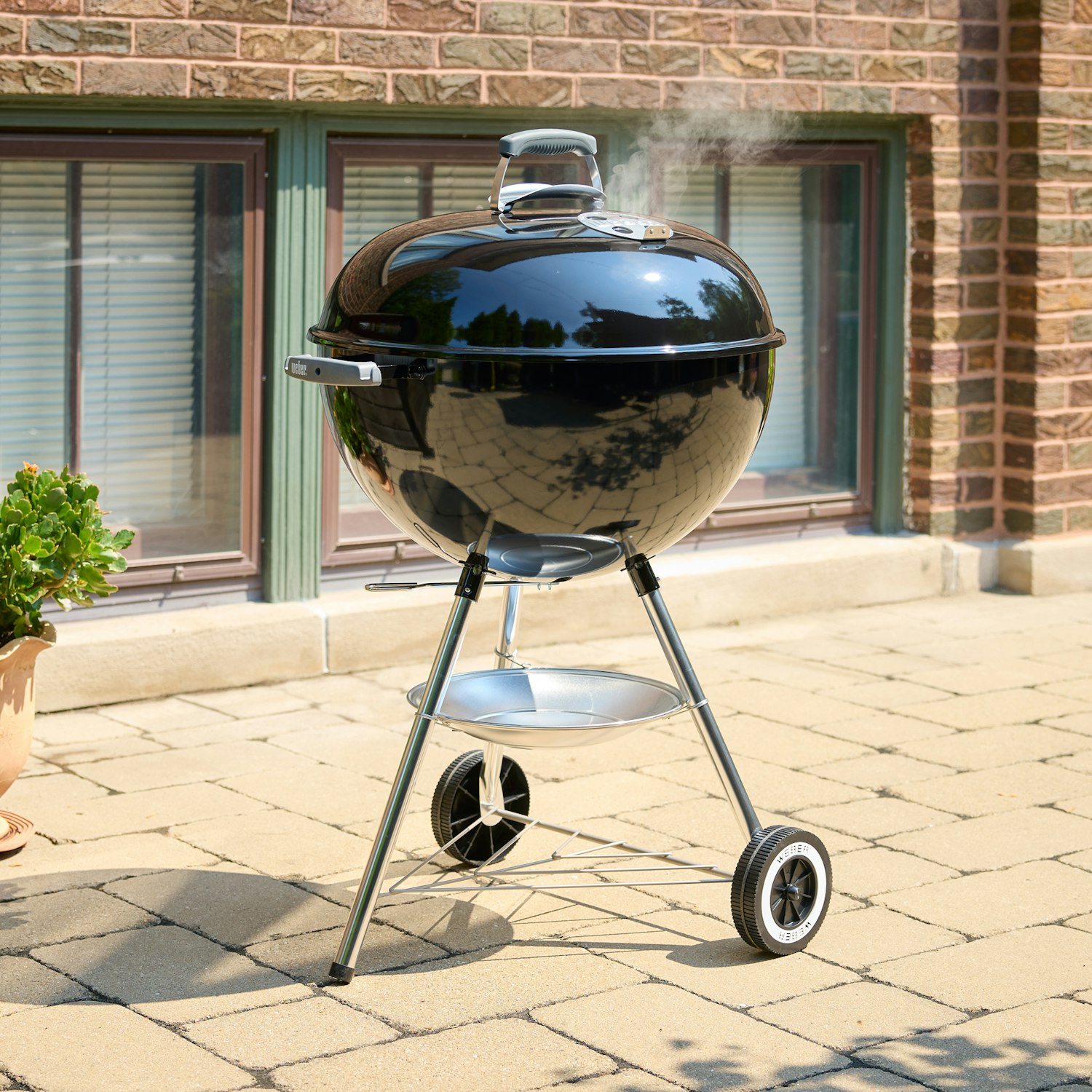
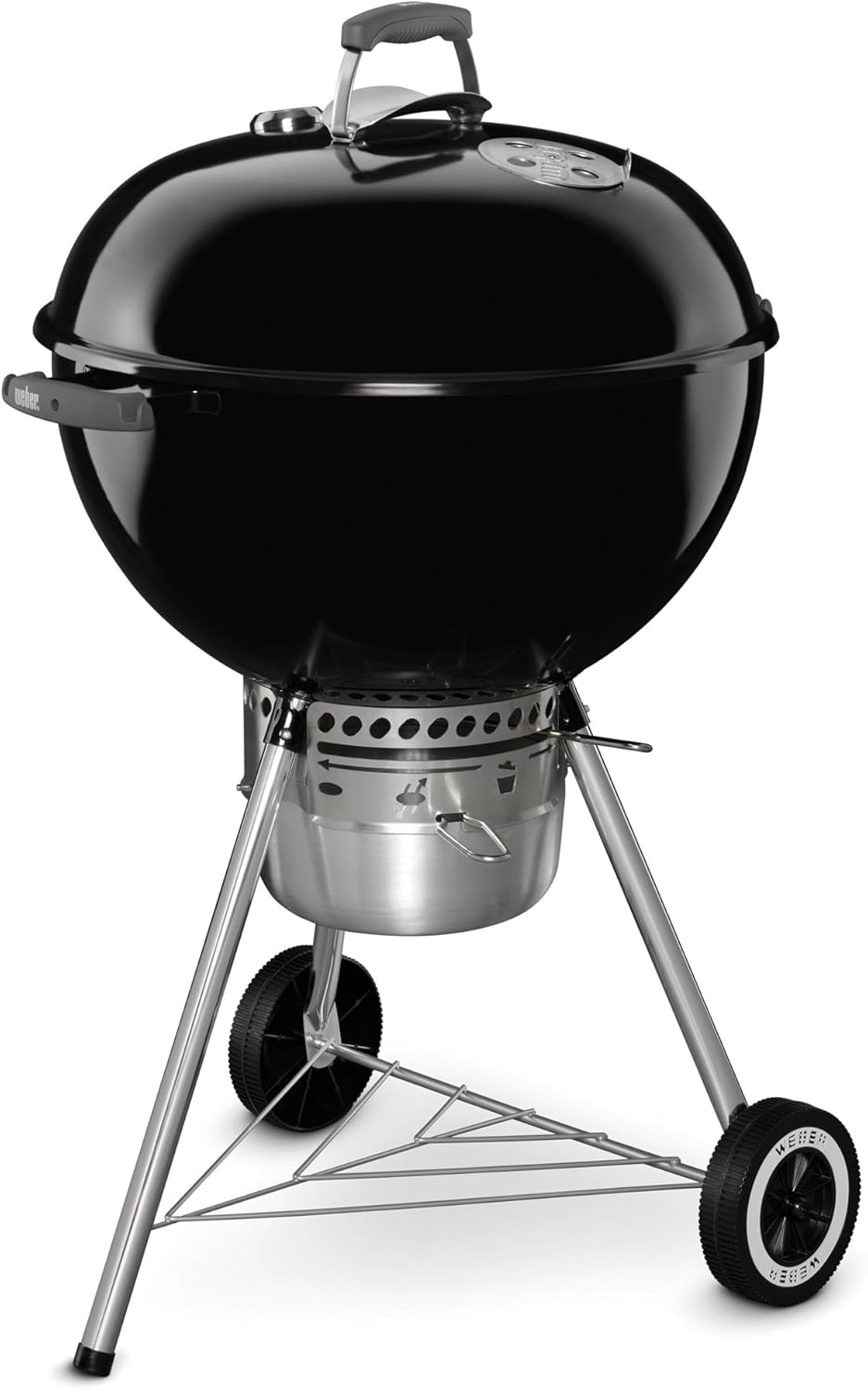
We need to get something out of the way: I was a charcoal snob. Full on “pellet grills aren’t real grilling” guy. My dad grilled on a Weber Kettle, his dad grilled on a Weber Kettle, and when We bought a house the first thing I did was order a Weber Original Kettle Premium 22" before the furniture arrived.
Then my neighbor got a Traeger. Then he invited me over for brisket. Then I ate the brisket. Then We bought a Traeger Ironwood.
I’ve had both for multiple summers now. My Weber has seen probaly 300+ cooks. The Traeger has done maybe 150. Here’s the dead honest truth about which one’s better.
What We’re Actually Comparing
These are fundamentally different tools:
Weber Original Kettle ($219): Charcoal grill. Manual temperature control via vents. You’re the thermostat. Classic searing, smoking with add-ons, that unmistakable charcoal flavor.
Traeger Ironwood ($1,299): Pellet grill/smoker. Digital temperature control. Set it and forget it. Consistent smoke, WiFi connected, basically an outdoor oven that smokes.
Comparing them on price alone is unfair — the Weber is 6x cheaper. But this debate isn’t about price. It’s about what kind of cook you are.
Flavor: Where the War Begins
Charcoal produces a more intense, primal flavor. That char, that smokiness, that caramelization from direct flame — nothing replicates it. When I sear steaks on the Weber over screaming hot coals, the crust is better than any restaurant I’ve been to. I’m not exaggerating.
Pellet grills produce a milder, more consistent smoke flavor. It’s woody and pleasant but subtler. On chicken and pork, most people can’t tell the difference between pellet smoke and charcoal smoke. On beef — especially burgers and steaks — charcoal wins handily.
But here’s the thing nobody mentions: the Traeger’s consistency means every cook tastes good. The Weber’s variability means some cooks are transcendent and some are… learning experiences. I’ve over-smoked chicken to the point of inedibility on the Weber. Never happened on the Traeger.
Winner: Weber for peak flavor, Traeger for consistent flavor.
Ease of Use
This isn’t even close. The Traeger Ironwood:
- Set temperature on the app
- Put food on
- Walk away
- Get a notification when it’s done
The Weber Kettle:
- Light charcoal (15-20 min)
- Arrange for direct/indirect heat
- Monitor temperature constantly
- Adjust vents every 20-30 minutes
- Hope the wind doesn’t mess everything up
- Accept that you’re outside for the entire cook
For a 12-hour brisket, the Traeger is set-and-forget. I started one at 10pm, went to bed, and woke up to a perfect brisket. On the Weber? You’re pulling an all-nighter and setting alarms every hour to check temps.
Winner: Traeger by a mile.
Smoking
Low-and-slow smoking is the Traeger’s entire identity. Set it to 225°F and walk away. The pellet auger feeds fuel automatically. Temperature holds within 5-10 degrees for hours.
Smoking on a Weber Kettle is possible — I’ve done ribs, pulled pork, and even brisket using the snake method. But it requires constant attention, charcoal management, and prayer. Temperature swings of 25-50 degrees are normal.
The results CAN be better on the Weber if you nail the technique. That’s a big “if.” The Traeger delivers 8/10 results every single time. The Weber swings between 6/10 and 10/10 depending on how much you pay attention.
If you love the process and the craft of smoking — Weber. If you want consistently great smoked meat with minimal effort — Traeger.
Winner: Traeger for results, Weber for experience.
Searing
Weber dominates here. Direct heat over hot coals reaches 700°F+. The Traeger maxes out around 500°F. For steaks, burgers, and anything that needs a hard sear, charcoal wins.
Traeger’s newer models have gotten better at searing but it’s still not the same. You can reverse-sear on the Traeger (low smoke then finish on a cast iron) and get great results, but that’s a workaround for what the Weber does naturally.
Winner: Weber.
Cost of Ownership
| Weber Kettle | Traeger Ironwood | |
|---|---|---|
| Unit price | $219 | $1,299 |
| Fuel (annual) | ~$100 (charcoal) | ~$200 (pellets) |
| Maintenance | Minimal | Grease trap, auger cleaning |
| Electricity | None | Required |
| Expected lifespan | 10-15 years | 5-8 years |
The Weber is cheaper to buy, cheaper to run, and lasts longer. The Ironwood has electronics that can fail, a pellet auger that jams occasionally, and WiFi components that… well, are WiFi components.
I covered the Weber’s durability in my Weber Kettle review — these things are nearly indestructible. My dad’s is 20 years old and still works fine.
Winner: Weber.
Weather Performance
The Weber doesn’t care about weather. Rain, wind, snow — charcoal burns. Temperature management gets harder in wind and cold, but it works.
The Traeger struggles in cold weather. Below 35°F, it burns through pellets faster and has trouble holding temperature. In rain, you need a cover or shelter — water and the pellet hopper don’t mix.
Winner: Weber.
My Actual Recommendation
Get the Weber Original Kettle if:
- You enjoy the hands-on process of grilling
- Searing steaks is a priority
- Budget matters
- You want something that lasts forever
- You grill in all weather conditions
Get a Traeger if:
- You want great smoked meat without babysitting
- Convenience matters more than craft
- You smoke meat regularly (monthly or more)
- You have the budget and covered outdoor space
The secret third option: Get both. We know, We know, that’s a cop-out answer. But honestly the Weber handles weeknight burgers and steaks perfectly at $219, and the Traeger handles weekend smoking sessions. They complement each other rather than compete.
If I could only keep one? The Weber. It does 80% of what the Traeger does plus things the Traeger can’t. But man, I’d miss that effortless brisket.