
This post contains affiliate links. I may earn a commission at no extra cost to you.
My wife almost hit a runner last month.
She was pulling out of a parking lot, the guy was on the sidewalk with AirPods in, completely oblivious. Didn’t even flinch when she honked. Just kept jogging, staring straight ahead, totally deaf to the world around him.
That interaction sent me down a bone conduction rabbit hole. I’d heard of these weird headphones that sit on your cheekbones and let you hear everything around you. Seemed gimmicky. But after reading through r/running and r/cycling for way too long, I grabbed a pair of the Shokz OpenRun Mini to test.
Six months later? They’re the only headphones I run with now.
But they’re not perfect. And most reviews gloss over the real downsides.
The Weird Part Nobody Explains Well
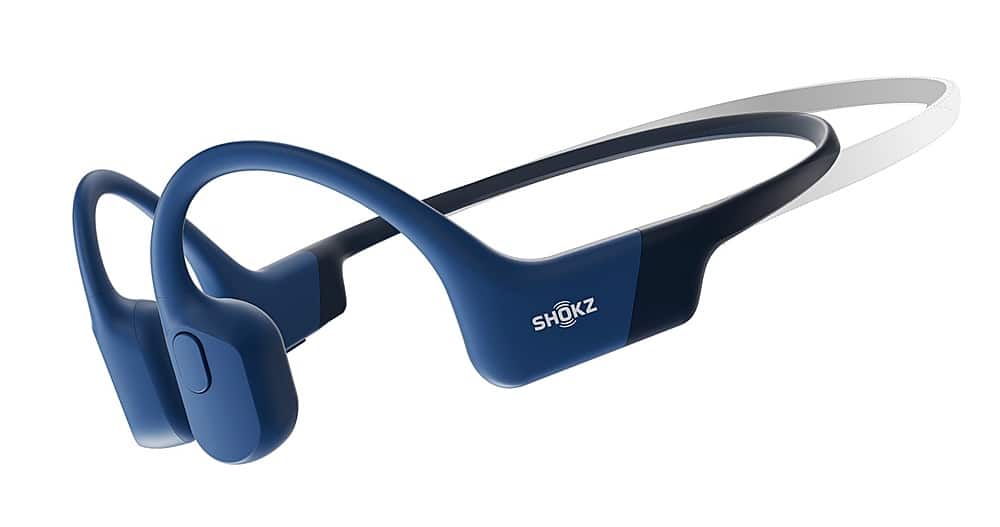
Bone conduction headphones don’t go IN your ears or OVER them. They rest on your cheekbones in front of your ears and vibrate sound directly into your skull.
Sounds weird. Feels weird the first time you try it. But it works.
The immediate benefit: your ear canals stay completely open. You hear cars, bikes, people yelling “on your left,” dogs barking — all of it. The audio from your podcast or music just… layers on top of the world around you.
It’s not like noise-canceling headphones where you’re in a bubble. It’s more like having a personal speaker that only you can hear.
Why the Mini Version?
The regular OpenRun and OpenRun Mini are identical in every way except the band length. The Mini is 0.83 inches shorter, wrapping tighter around smaller heads.
Shokz says to measure from ear to ear behind your head. Under 9.25 inches? Get the Mini. Over that? Standard size.
I have a smaller head (thanks, genetics) and the regular OpenRun slid around during runs. The Mini stays locked in place, even during sprints. One user on the Cycling UK forum called them “light, comfy, secure, fit with helmets and Oakleys” — and that about sums it up.
What Actually Sounds Good on These
Here’s where I need to be honest: these don’t sound like $300 Sony earbuds. They’re not supposed to.
The OpenRun Mini sounds crisp and clear — great for podcasts, audiobooks, and most music. But there’s minimal bass. Bone conduction physically can’t produce the low-end thump that traditional headphones do. If you’re trying to feel the bass drop in your EDM playlist, you’re gonna be disappointed.
What they’re excellent for:
- Podcasts and audiobooks — crystal clear spoken word
- Running playlists — you’ll hear the beat, just not feel it in your chest
- Phone calls — the built-in mic is actually solid in quiet areas
One reviewer from Believe in the Run put it bluntly: you can’t make it louder than the ambient noise of running by a major highway. That’s by design. These are for awareness, not isolation.
The Stuff That Actually Annoyed Me
The Damn Proprietary Charger
This drives people nuts — and I get it.
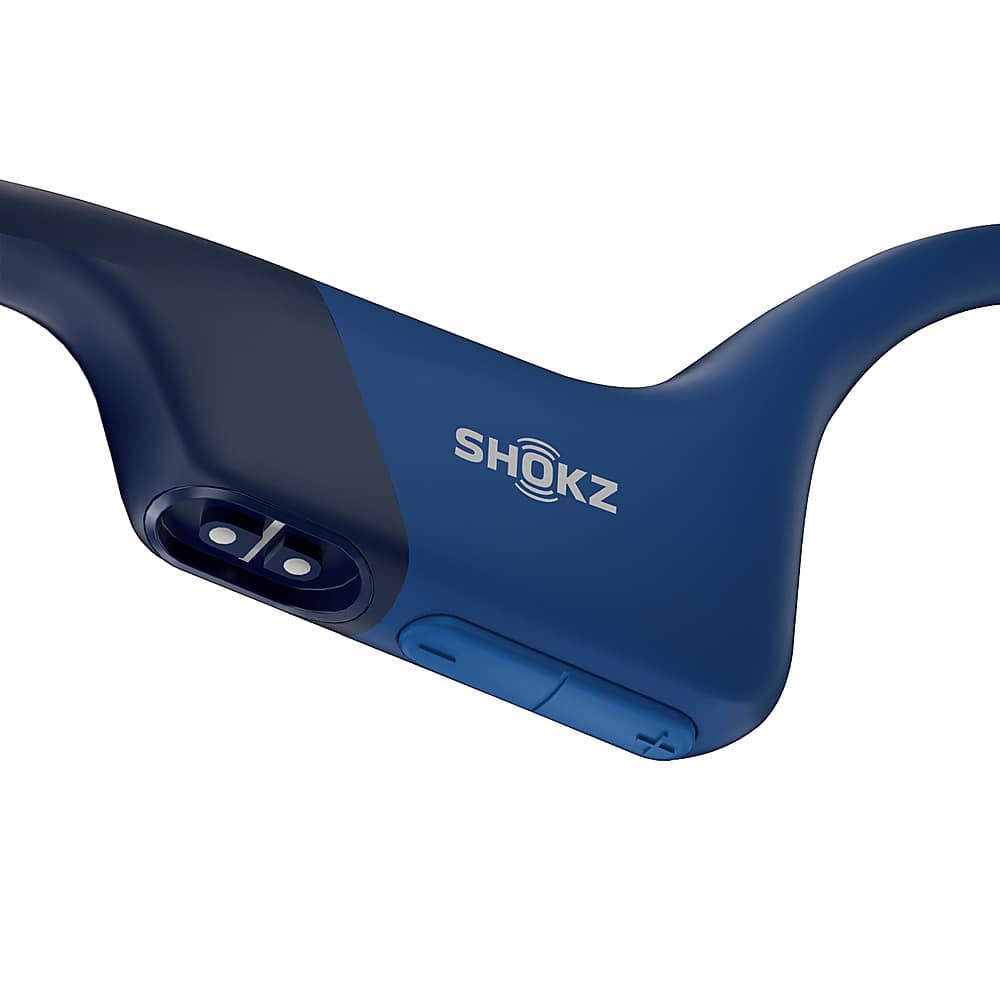
The OpenRun uses a magnetic charging cable that only works with Shokz products. Lose it? You’re ordering a replacement. Can’t borrow your buddy’s USB-C cable.
“The charger is a pain, finicky and proprietary” — u/TechRunner42 on r/running
Is it a dealbreaker? Depends how often you lose cables. I bought a backup for $10 and keep one at home, one in my running bag.
Volume in Loud Environments
Running along a busy road? Construction nearby? You might struggle to hear your audio. That’s the tradeoff — you can hear your surroundings, which means your surroundings can drown out your content.
One Redditor described it as “trying to listen to a podcast while someone jackhammers next to you.” That’s extreme, but the point stands.
The Placement Learning Curve
These sit on a specific spot on your cheekbones. Too far forward, too far back, and the sound quality tanks. It took me about a week of adjusting mid-run before I nailed the sweet spot every time.
Battery Life Is Actually Great
Eight hours of playback. I’ve never come close to draining them on a single run.
Plus the quick charge feature is clutch: 10 minutes on the charger gives you 1.5 hours of battery. Forgot to charge before your morning run? Plug them in while you lace up and you’re good.
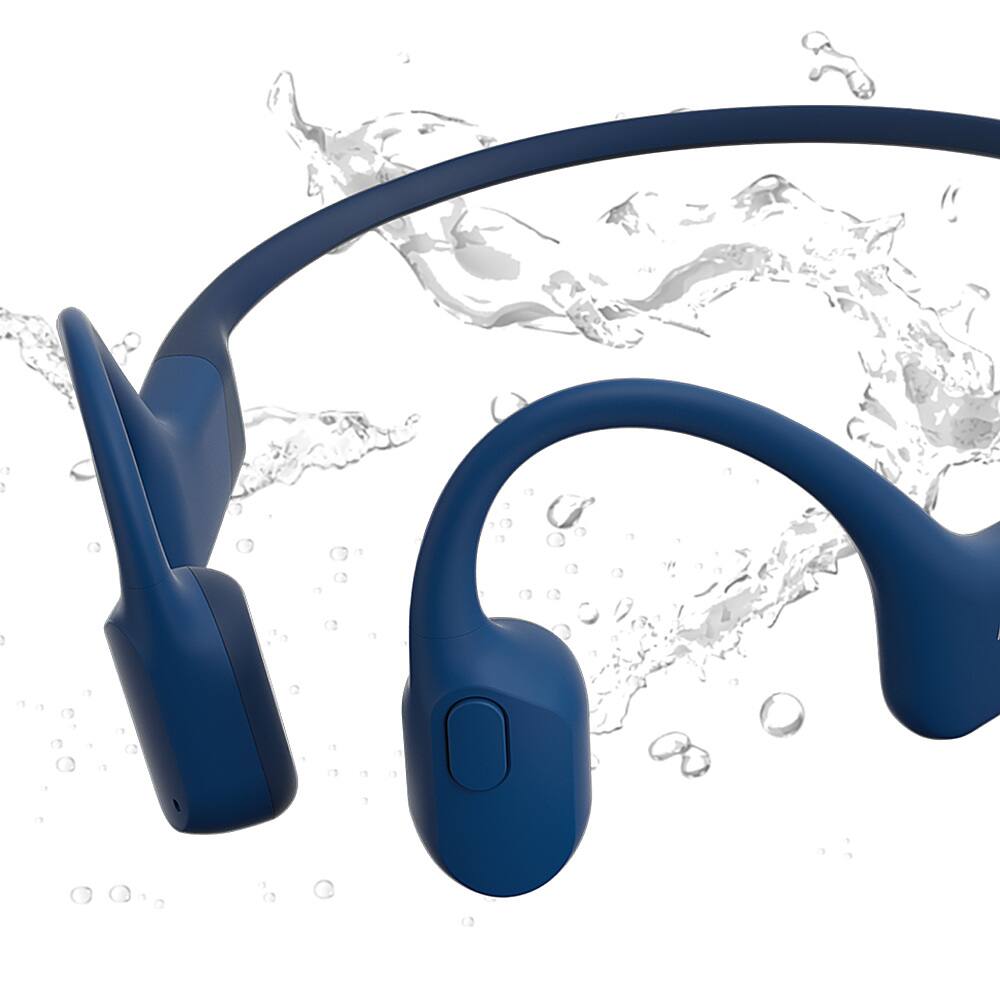
The IP67 Rating Held Up
I’ve run through rain, soaked these in sweat during summer runs, and accidentally left them outside overnight once. Still working fine.
One brave soul on the cycling forums claimed they accidentally took theirs into a pool, let a water jet hit them for several minutes, and they survived. I’m not testing that, but the point is — they’re durable.
Who Should Buy These
Get them if:
- You run or cycle outdoors and need to hear traffic
- You wear glasses (they don’t interfere with frames)
- Traditional earbuds hurt your ears or fall out
- You want to hear your surroundings AND your content
Skip them if:
- You want immersive, bass-heavy sound
- You run indoors on a treadmill (just get regular earbuds)
- You’re already comfortable with transparency mode on AirPods
- You need audiophile quality
OpenRun Mini vs OpenRun Pro: Worth the Upgrade?
The OpenRun Pro costs about $60 more and adds:
- Slightly better bass (two additional bass transducers)
- Companion app with EQ settings
- A nicer carrying case
Is it worth it? Honestly, for most runners, no. The standard OpenRun Mini handles podcasts and workout playlists just fine. The Pro is for people who specifically want the best bone conduction sound quality possible.
Final Take
The Shokz OpenRun Mini solved a problem I didn’t know I had: how to run with audio without becoming that oblivious AirPods guy.
They’re not perfect. The proprietary charger is annoying, the bass is basically nonexistent, and loud environments can overpower them. But for outdoor running and cycling where situational awareness matters? Nothing else I’ve tried comes close.
I paid $99 for mine. They’re now on every single run.
Ben Arp, Founder Regular guy from Knoxville who spends way too much time reading Amazon reviews and Reddit threads. I buy this stuff with my own money and write about what actually works.
You Might Also Like
- Sony WF-1000XM5 Review — for when you DO want total isolation
- Bose QuietComfort Ultra Earbuds Review — another premium option
- Apple Watch Series 10 Review — pairs great with these headphones