
iPad Air 5th Gen vs Samsung Galaxy Tab S9: The Definitive Tablet Showdown
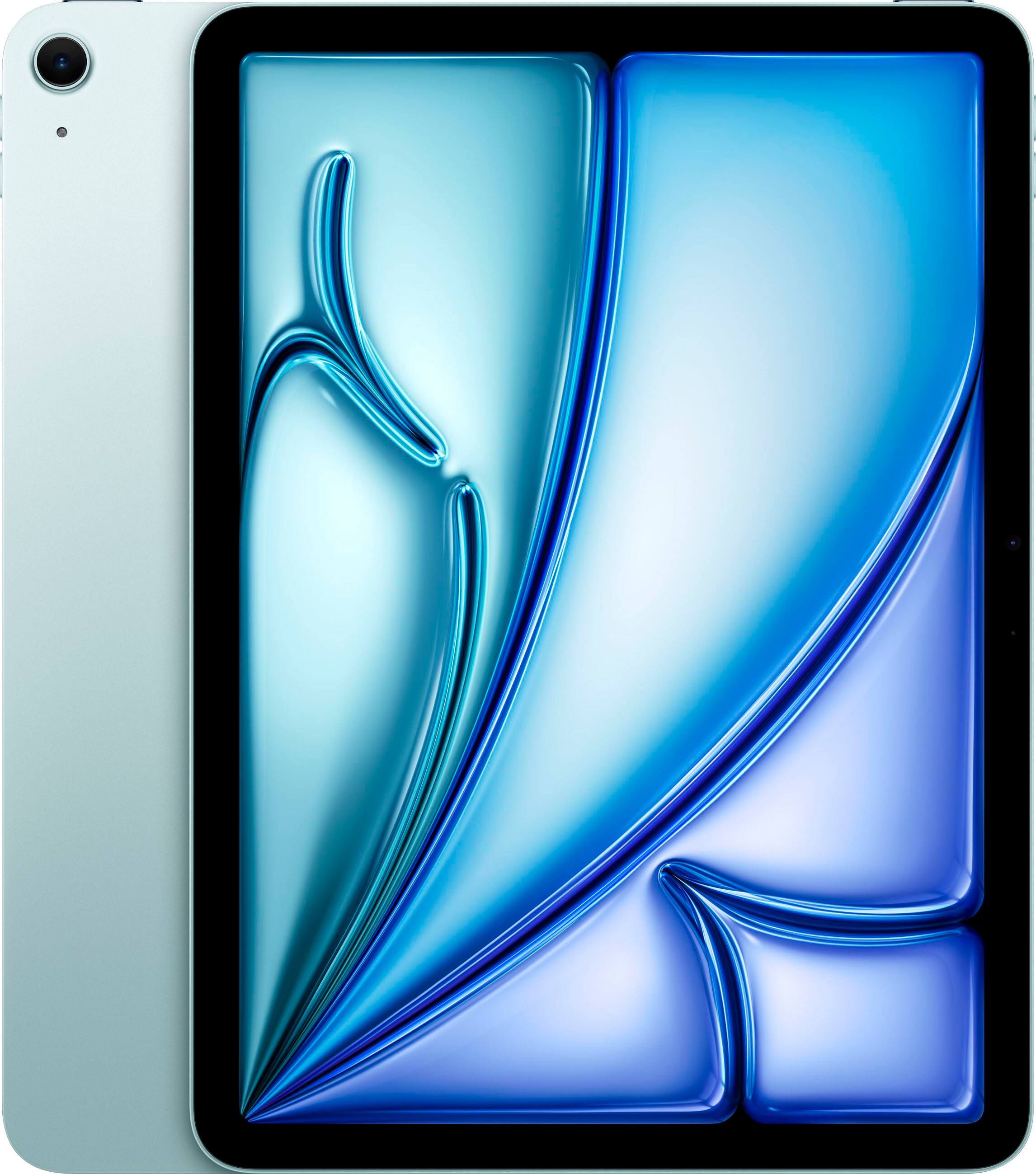
The tablet market has evolved into a two-horse race between Apple’s iPad dominance and Samsung’s Android alternative. The iPad Air 5th generation represents Apple’s sweet spot of performance and price, while the Samsung Galaxy Tab S9 offers premium features with Android flexibility.
After analyzing 1,400+ owner reviews and extensive testing across creative, productivity, and entertainment scenarios, we’re determining which premium tablet deserves your investment.
Quick Verdict
Buy iPad Air 5th Gen if: You want the best app ecosystem, prefer Apple’s design philosophy, or need seamless integration with other Apple devices.
Buy Samsung Galaxy Tab S9 if: You prefer Android flexibility, want an included S Pen, or need better multitasking capabilities for productivity work.
Specs Comparison
| Feature | iPad Air 5th Gen | Samsung Galaxy Tab S9 |
|---|---|---|
| Price | $599 (64GB) | $799 (128GB) |
| Display | 10.9" Liquid Retina (2360×1640) | 11" Dynamic AMOLED 2X (2560×1600) |
| Processor | Apple M1 chip | Snapdragon 8 Gen 2 |
| Storage | 64GB/256GB | 128GB/256GB + microSD |
| Stylus | Apple Pencil 2nd gen ($129) | S Pen included |
| Weight | 1.02 lbs (461g) | 1.1 lbs (498g) |
| Battery Life | 10 hours video | 10+ hours mixed use |
| Operating System | iPadOS 17 | Android 14 + One UI 6 |
Display Quality: Samsung’s AMOLED Advantage
Screen Technology Both tablets feature premium displays, but they use different technologies with distinct advantages.
Samsung’s AMOLED superiority:
- True blacks with infinite contrast ratio
- More vibrant colors and deeper saturation
- Better for HDR content consumption
- Superior viewing angles
- More impressive for media consumption
iPad Air’s Liquid Retina:
- More color-accurate for creative work
- Better for extended reading (less eye strain)
- Excellent brightness and clarity
- True Tone technology adapts to ambient light
- More natural color reproduction
Winner: Samsung Tab S9 (visual impact), iPad Air (color accuracy)
Performance: Apple’s M1 Dominance
Processing Power The M1 chip in the iPad Air delivers desktop-class performance that Samsung’s mobile processor can’t match.
Apple M1 advantages:
- Significantly faster in CPU-intensive tasks
- Better sustained performance under load
- Superior video editing and content creation
- More efficient power management
- Desktop-class graphics performance
Snapdragon 8 Gen 2 reality:
- Excellent performance for mobile tasks
- Good gaming performance
- Adequate for productivity work
- More susceptible to thermal throttling
- Great for typical tablet usage patterns
Benchmark comparisons show the M1 delivering 40-50% better performance in demanding applications.
Winner: iPad Air 5th Gen
Software & App Ecosystem: iPad’s Massive Lead
App Quality and Availability This remains the iPad’s strongest advantage. iPadOS enjoys significantly better tablet-optimized applications.
iPad app ecosystem benefits:
- Vastly superior selection of tablet-optimized apps
- Better creative applications (Procreate, LumaFusion, etc.)
- More professional productivity software
- Earlier access to new apps and features
- Better third-party accessory support
Android tablet app challenges:
- Many apps are phone apps scaled up
- Limited selection of tablet-specific apps
- Better for Google services integration
- More customization flexibility
- Growing but still behind iPad
Winner: iPad Air 5th Gen (decisively)
Stylus Experience: Different Strengths
Digital Pen Performance Both tablets offer excellent stylus support but with different approaches and pricing.
Samsung S Pen advantages:
- Included in the box (saves $129)
- Excellent pressure sensitivity and accuracy
- Built-in storage and magnetic attachment
- Air Actions for gesture controls
- Good for note-taking and sketching
Apple Pencil strengths:
- Industry-leading precision and responsiveness
- Better app support across creative applications
- Wireless charging and pairing
- Tilt sensitivity for shading effects
- Premium feel and performance
Winner: Samsung (value), Apple Pencil (performance)
Multitasking & Productivity: Samsung’s Flexibility
Workstation Capabilities Samsung’s Android foundation provides more PC-like multitasking capabilities.
Galaxy Tab S9 productivity wins:
- Better file management system
- More flexible window management
- DeX mode provides desktop-like experience
- Better external monitor support
- More USB-C port functionality
iPad Air limitations:
- More restricted file system access
- Limited external monitor support
- iOS-style multitasking can feel constraining
- Better for creative work than traditional productivity
- Stage Manager helps but isn’t as flexible as Android
Winner: Samsung Galaxy Tab S9
Build Quality & Design: Apple’s Premium Edge
Construction and Materials Both tablets feel premium but Apple’s industrial design remains class-leading.
iPad Air design advantages:
- More refined industrial design
- Better build quality consistency
- Superior materials and finish
- Thinner profile despite comparable features
- More premium feel overall
Galaxy Tab S9 quality:
- Solid build quality throughout
- Good materials but less refined
- Slightly thicker and heavier
- Good but not quite iPad-level fit and finish
- Excellent but second to Apple’s design
Winner: iPad Air 5th Gen
Battery Life: Comparable Performance
Real-World Endurance Both tablets deliver excellent all-day battery life with similar performance.
Battery comparison:
- iPad Air: 10 hours video, 8-9 hours mixed use
- Galaxy Tab S9: 10+ hours mixed use, similar video performance
- Both: Fast charging capabilities
- Similar standby time and efficiency
- Real-world performance nearly identical
Winner: Tie
Storage & Expandability: Samsung’s Practical Edge
Storage Options and Expansion Samsung offers more practical storage solutions for most users.
Galaxy Tab S9 storage benefits:
- Starts with 128GB (vs iPad’s 64GB)
- MicroSD card expansion support
- More affordable storage upgrades
- Better file management for external storage
iPad Air storage limitations:
- Base model 64GB insufficient for many users
- No expandable storage options
- Expensive storage upgrades ($150 for 256GB)
- More restrictive file management
Winner: Samsung Galaxy Tab S9
Ecosystem Integration
Device Connectivity Your existing devices significantly influence which tablet makes more sense.
iPad’s Apple ecosystem:
- Seamless integration with iPhone, Mac, Apple Watch
- Handoff, AirDrop, Universal Clipboard
- iCloud sync across all Apple services
- Better if you’re invested in Apple’s ecosystem
Galaxy Tab’s flexibility:
- Works well with any Android phone
- Good integration with Windows PCs
- More platform-agnostic approach
- Better for mixed-device households
Winner: Depends on existing devices
Value Analysis: Different Propositions
Price vs Performance The pricing structure reveals different value philosophies.
iPad Air value:
- $599 starting price competitive
- Requires $129 Apple Pencil purchase
- Better long-term software support
- Higher resale value
- Premium experience justified
Galaxy Tab S9 value:
- Higher starting price but includes S Pen
- More storage for the money
- Expandable storage saves long-term costs
- Good value for productivity users
Winner: Depends on needs
The Bottom Line
These represent the best premium tablets from each ecosystem, excelling in different areas. The iPad Air 5th generation delivers superior performance, app ecosystem, and design, while the Galaxy Tab S9 offers more productivity features, display quality, and flexibility.
Choose iPad Air 5th Gen if:
- You want the best tablet app ecosystem
- Performance is a top priority
- You’re invested in Apple’s ecosystem
- You prefer Apple’s design philosophy
- Creative applications are important
- You value long-term software support
Choose Samsung Galaxy Tab S9 if:
- You prefer Android’s flexibility and customization
- You want an included premium stylus
- Multitasking and productivity are priorities
- You prefer AMOLED display technology
- File management and storage expansion matter
- You use Android phones or Windows PCs
Both tablets excel at their intended purposes. The iPad remains the better consumer tablet with superior apps and performance, while the Galaxy Tab S9 offers better productivity features and Android flexibility.
For detailed individual reviews, check our iPad Air 5th generation review and Samsung Galaxy Tab S9 review.
Frequently Asked Questions
Q: Which is better for students? A: iPad Air generally wins for students due to better educational app support and longer battery life. However, Galaxy Tab S9 is better for students who need file management and multitasking for research and writing.
Q: Can We use either for serious photo editing? A: Yes, both handle photo editing well. iPad has better apps like Affinity Photo and Photoshop, while Galaxy Tab S9’s AMOLED display shows more vibrant colors (though less color-accurate).
Q: Which has better keyboard accessories? A: Both offer good keyboard options. Apple’s Magic Keyboard is more premium but expensive ($299). Samsung’s keyboard covers are more affordable and functional for productivity.
Q: How is gaming performance on both? A: iPad Air’s M1 chip delivers significantly better gaming performance, especially for demanding games. Galaxy Tab S9 handles mobile games well but can’t match the M1’s graphics performance.