

How to Choose Headphones: Complete Audio Buying Guide 2026
With hundreds of headphone models available, finding the right pair can feel overwhelming. We’ll break down everything you need to know to make an informed decision that fits your lifestyle and budget.
Step 1: Choose Your Style
Over-Ear (Circumaural)
- Pros: Best sound quality, comfortable for long use, excellent noise isolation
- Cons: Bulky, less portable, can cause heat buildup
- Best for: Home listening, studio work, audiophiles
On-Ear (Supra-aural)
- Pros: More portable than over-ear, good sound quality
- Cons: Can cause ear fatigue, less noise isolation
- Best for: Commuting, office use, balanced portability/quality
In-Ear (Earbuds)
- Pros: Ultra-portable, often wireless, good for exercise
- Cons: Easy to lose, limited battery life, fit issues
- Best for: Exercise, travel, convenience
Step 2: Wired vs Wireless
Wired Headphones
- Pros: No battery concerns, often better sound quality, lower cost
- Cons: Cable can tangle/break, less convenient for mobile use
- Best for: Home use, audiophile listening, budget-conscious buyers
Wireless Headphones
- Pros: Freedom of movement, convenient for exercise/commuting
- Cons: Battery management, potential audio lag, higher cost
- Best for: Active lifestyles, commuting, modern device compatibility
Step 3: Key Features to Consider
Active Noise Cancellation (ANC)
- What it does: Uses microphones to cancel external noise
- Best for: Frequent travelers, open offices, noisy environments
- Trade-offs: Higher cost, battery drain, slight audio processing
Sound Quality Factors
- Frequency Response: Look for 20Hz-20kHz range
- Driver Size: Larger drivers often mean better bass (40mm+ recommended)
- Impedance: Lower impedance (32 ohms or less) for mobile devices
Comfort Features
- Padding: Memory foam for long listening sessions
- Weight: Lighter is better for extended wear
- Adjustability: Proper fit prevents fatigue
- Ear cup size: Should fully encompass ears (for over-ear)
Step 4: Use Case Considerations
For Music Listening
- Prioritize sound quality and comfort
- Consider open-back for critical listening (home use)
- Closed-back for noise isolation
For Gaming
- Low latency connection (wired or gaming-specific wireless)
- Built-in microphone
- Comfortable for long sessions
- Good positional audio
For Work/Calls
- Clear microphone quality
- Comfortable for 8+ hours
- Noise cancellation helpful in open offices
- Easy controls for mute/volume
For Exercise
- Sweat/water resistance (IPX4 or higher)
- Secure fit that won’t fall out
- Wireless for freedom of movement
- Controls accessible during activity
Step 5: Budget Planning
Budget ($20-$50): Basic models, acceptable for casual use
Mid-Range ($50-$200): Good quality, decent features
Premium ($200-$500): Excellent sound, advanced features
High-End ($500+): Audiophile-grade, premium materials
Common Mistakes to Avoid
- Buying based on bass alone - Balanced sound is better long-term
- Ignoring comfort - Even great sound won’t matter if they hurt
- Overlooking impedance - High impedance headphones need amplification
- Not considering your source - Phone, computer, or dedicated amp?
- Focusing only on specs - Trust your ears over numbers
Our Top Recommendations by Use Case
Best Overall
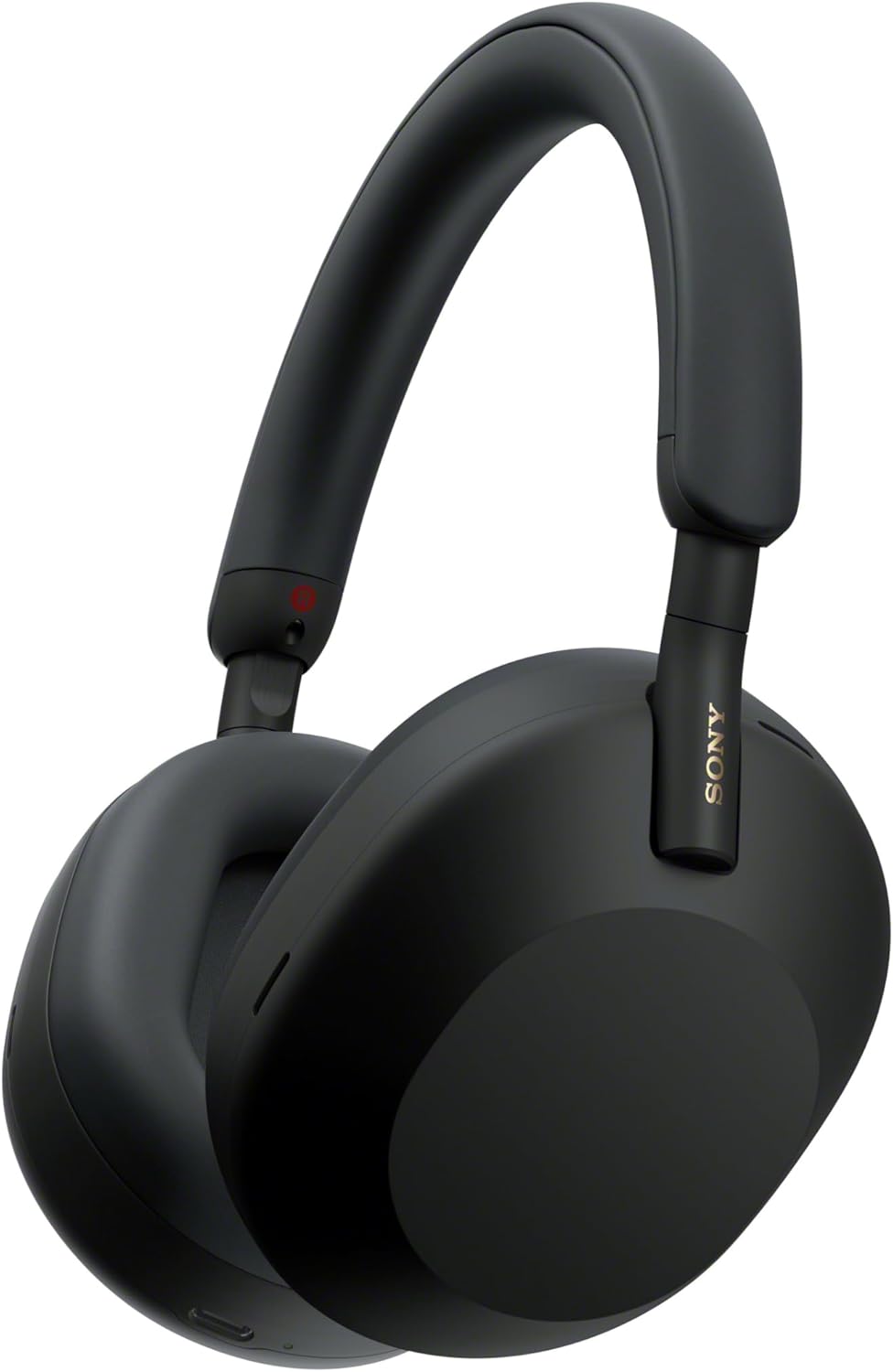
- Premium: Sony WH-1000XM5
- Mid-Range: Sony WH-CH720N
- Budget: Audio-Technica ATH-M40x
Best for Music
- Open-back: Sennheiser HD 599
- Closed-back: Beyerdynamic DT 770 Pro
Best for Gaming
- Wireless: SteelSeries Arctis 7P
- Wired: HyperX Cloud II
Best for Exercise
- True Wireless: Apple AirPods Pro 3
- Sports: Jaybird Vista 2
Testing Before You Buy
If possible, always try headphones before purchasing:
- Comfort test: Wear for 15+ minutes
- Sound test: Play familiar music across genres
- Fit test: Ensure proper seal (closed-back) or comfort (open-back)
- Control test: Make sure buttons/controls are intuitive
Bottom Line
The perfect headphones balance sound quality, comfort, features, and price for your specific needs. Don’t get caught up in spec sheets—the best headphones are the ones you’ll actually enjoy using every day.