
I’ve owned 12 espresso machines over 8 years, from a $60 Nespresso knockoff to a $3,000 prosumer setup. Here’s what actually matters when choosing an espresso machine — and why most people should probably start with something cheaper than they’re considering.
The Uncomfortable Truth About Home Espresso
Reality #1: Great espresso is 60% grinder, 30% technique, 10% machine. Reality #2: Most people never learn proper technique and blame their equipment. Reality #3: A $200 machine with a $300 grinder makes better espresso than a $800 machine with a $50 grinder.
If you’re not willing to spend 2-3 months learning and practicing, buy a super-auto or stick with your current coffee method. Espresso isn’t a casual hobby — it’s a skill that requires patience and consistency.
The Four Types: What You’re Actually Choosing Between
Pod Machines (Nespresso, Keurig, etc.): The Gateway Drug
How They Work: Pre-packaged pods, press button, get coffee-flavored drink.
Pros:
- Truly foolproof operation
- Consistent results every time
- No learning curve or technique required
- Minimal cleanup and maintenance
- Small footprint
Cons:
- Not actually espresso (lacks pressure and crema)
- Expensive per cup ($0.75-1.50 per pod)
- Limited flavor customization
- Environmental waste from pods
- Coffee quality plateau at “decent”
Best For: Convenience seekers, office use, people who drink 1-2 cups daily
Our Take: Pod machines solved the wrong problem. They made bad coffee more convenient instead of making good coffee achievable.
Manual Lever Machines: The Purist’s Choice
How They Work: You manually pull a lever to create pressure. Full control over every variable.
Pros:
- Complete control over pressure profile
- No electricity needed (some models)
- Beautiful, timeless design
- Can produce exceptional espresso in skilled hands
- Minimal electronic components to break
Cons:
- Extremely steep learning curve
- Inconsistent results until mastered
- Physically demanding for multiple shots
- No temperature control automation
- Usually single-group designs (one shot at a time)
Best For: Coffee purists, people who enjoy the ritual, experienced home baristas
Reality Check: Don’t buy a manual machine as your first espresso setup. Learn on a semi-auto first.
Semi-Automatic Machines: The Sweet Spot
How They Work: Machine handles temperature and pressure. You control grind, dose, timing, and milk steaming.
Pros:
- Good balance of control and convenience
- Learn proper espresso technique
- Upgrade path to better grinders and accessories
- Can produce café-quality results with practice
- Wide range of price points
Cons:
- Requires skill development and practice
- Inconsistent results during learning phase
- Daily cleaning and maintenance required
- Need separate grinder (adds to total cost)
Best For: People serious about learning espresso, those who want control without manual labor
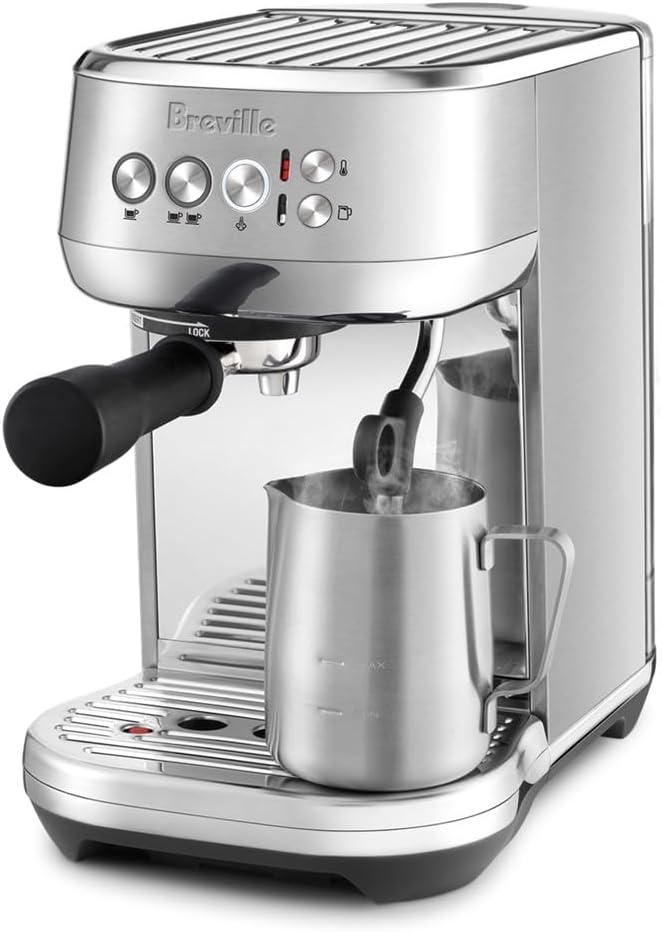
Examples: Breville Bambino, Gaggia Classic Pro, Rancilio Silvia
Super-Automatic Machines: The Hands-Off Option
How They Work: Built-in grinder, automatic dosing, programmable recipes. Press button, get espresso.
Pros:
- Consistent results with minimal skill
- Built-in grinder eliminates separate purchase
- Programmable for different preferences
- Automatic milk frothing (many models)
- Good for office or high-volume home use
Cons:
- Expensive ($800-3000+ for quality units)
- Complex mechanics = more potential failures
- Limited control over extraction variables
- Difficult to service and repair
- Coffee quality ceiling lower than semi-autos
Best For: Busy households, people who want good espresso without learning technique
Reality Check: Super-autos are appliances, not hobby equipment. They make good coffee consistently but rarely make great coffee.
Boiler Types: The Engineering That Matters
Single Boiler: The Budget Reality
How It Works: One boiler serves both espresso brewing and steam wand.
Pros:
- Simplest design, fewer failure points
- Most affordable option
- Adequate for occasional use
- Easy to repair and maintain
Cons:
- Must wait between brewing and steaming (temperature switching)
- Can’t make multiple drinks quickly
- Temperature instability during heat-up
Best For: Single-drink households, budget-conscious buyers, infrequent use
Heat Exchanger (HX): The Prosumer Standard
How It Works: Single boiler with internal heat exchanger. Steam boiler heat warms brewing water through separate tubing.
Pros:
- Simultaneous brewing and steaming capability
- Faster workflow for multiple drinks
- Good temperature stability
- Professional-style operation
Cons:
- More complex than single boiler
- Requires cooling flush before first shot
- Potential for overheating brewing water
- Higher maintenance requirements
Best For: Households making multiple drinks, people who want prosumer features
Dual Boiler: The Enthusiast’s Dream
How It Works: Separate boilers for brewing and steaming, with independent temperature controls.
Pros:
- Perfect temperature control for both functions
- No waiting between brewing and steaming
- Can optimize each boiler for its specific task
- Professional-level performance potential
Cons:
- Most expensive option
- Complex internal systems
- Higher energy consumption
- More components to potentially fail
Best For: Serious home baristas, high-volume households, people who want maximum control
Grinder Integration: The Make-or-Break Decision
Built-in Grinders (Super-Autos Only):
- Convenience factor is high
- Quality varies enormously by price point
- Usually adequate but not exceptional
- Difficult to upgrade separately
Separate Grinder (Recommended for Semi-Autos):
- Choose grinder quality independent of machine
- Can upgrade grinder without replacing machine
- Better grinders available at every price point
- Takes up more counter space
Grinder Budget Guidelines:
- Machine under $500: Spend 50-75% of machine cost on grinder
- Machine $500-1000: Spend 40-60% of machine cost on grinder
- Machine over $1000: Spend 30-50% of machine cost on grinder
Popular Grinder Pairing Examples:
- Breville Bambino + Baratza Encore ESP ($400 total)
- Gaggia Classic Pro + Eureka Mignon Specialita ($800 total)
- Rocket Appartamento + Niche Zero ($1800 total)
Pressure, Temperature, and Other Technical Specs
Brewing Pressure
- Standard: 9 bars (most machines)
- Reality: Anything from 8-10 bars works fine
- Red Flag: Machines advertising 15+ bars (usually cheap pumps compensating for poor design)
Brewing Temperature
- Ideal Range: 190-196°F (88-91°C)
- Stability: ±2°F is acceptable, ±1°F is excellent
- PID Controllers: Worth paying for on machines over $600
Boiler Material
- Stainless Steel: Best durability and taste neutrality
- Brass: Traditional choice, good heat retention
- Aluminum: Budget option, adequate performance
- Avoid: Plastic internal components in contact with brewing water
Size and Counter Space Reality
Compact Machines:
- Footprint: 10"x12" typical
- Height: 12-14" (check cabinet clearance)
- Examples: Breville Bambino, De’Longhi Dedica
Standard Machines:
- Footprint: 12"x15" typical
- Height: 14-16"
- Examples: Gaggia Classic, Breville Barista Express
Prosumer Machines:
- Footprint: 15"x18"+ typical
- Height: 16-18"
- Weight: 40+ lbs (consider counter strength)
Don’t Forget: Add space for grinder, tamper, scale, and workflow area. Most people underestimate total counter space needs.
Budget Tiers That Actually Make Sense
Entry Level ($200-500): Learning the Basics
- Single boiler semi-autos
- Basic build quality but functional
- Goal: Learn technique without huge investment
- Sweet Spot: Breville Bambino + decent grinder
Enthusiast ($500-1200): Serious About Quality
- Heat exchanger or entry dual boiler
- Better build quality and temperature stability
- Goal: Make consistently excellent espresso
- Sweet Spot: Gaggia Classic Pro or Breville Barista Pro territory
Prosumer ($1200-3000): Near-Commercial Performance
- Dual boiler systems with PID control
- Commercial-grade components
- Goal: Café-quality espresso with full control
- Sweet Spot: Rocket, ECM, Profitec entry models
Professional ($3000+): Diminishing Returns
- Commercial-grade machines for home use
- Beautiful aesthetics and premium materials
- Goal: Kitchen showpiece that happens to make great coffee
- Reality: 95% of coffee quality achievable for much less
Features That Matter vs. Marketing Fluff
Essential Features:
- Reliable temperature control: PID or excellent thermostats
- Quality build materials: Stainless steel boilers, brass group heads
- Standard portafilter size: 58mm preferred (more accessories available)
- Adequate water reservoir: 1.5+ liters for daily use
Nice-to-Have Features:
- Pre-infusion: Gentle water introduction before full pressure
- Programmable shot timers: Consistency aids for beginners
- Cup warming tray: Professional touch that actually helps
- Pressure gauge: Educational for learning proper technique
Marketing Gimmicks:
- Smart connectivity: Adds complexity without meaningful benefit
- Built-in cup storage: Takes up space and collects dust
- Excessive pressure claims: 15+ bar pumps compensating for poor design
- “Barista quality” marketing: Meaningless without proper technique
Maintenance and Longevity Reality
Daily Maintenance (5 minutes):
- Rinse and wipe portafilter
- Empty drip tray and water reservoir
- Run blank shot to clear group head
- Wipe down exterior
Weekly Maintenance (15 minutes):
- Deep clean portafilter and basket
- Clean and rinse water reservoir
- Backflush group head (semi-autos)
- Clean milk wand thoroughly
Monthly/Quarterly Maintenance:
- Descaling cycle (frequency depends on water hardness)
- Replace water filters if equipped
- Check seals and gaskets
- Professional service for complex issues
Longevity Expectations:
- Entry machines: 3-5 years with proper care
- Mid-range machines: 5-8 years typically
- Prosumer machines: 10-15 years with maintenance
- Professional machines: 15-20+ years in home use
What Former Nespresso Users Actually Want
Having been there, here’s what pod machine users are usually seeking:
Convenience: Semi-autos require daily ritual. Super-autos deliver this. Better taste: Any decent setup beats pods, but technique matters. Cost savings: Break-even point is about 6 months of daily use. Control: Ability to adjust strength, temperature, milk texture.
Reality Check: The jump from pods to “real” espresso is bigger than expected. Budget time for learning, not just money for equipment.
Quick Decision Framework
If you want convenience above all: Super-automatic in the $1000+ range
If you’re willing to learn technique: Semi-auto + separate grinder combo
If counter space is limited: Compact semi-auto like Breville Bambino
If you make milk drinks primarily: Prioritize good steam wand performance
If you’re budget-conscious: Used Gaggia Classic + refurbished grinder
If you want café results: Focus grinder budget first, then machine
If you’re unsure about commitment: Start with entry-level semi-auto setup
Common First-Timer Mistakes
- Buying machine first, grinder second: Backwards priority leads to disappointing results
- Underestimating learning curve: Expect 2-3 months to get consistently good shots
- Ignoring water quality: Bad water makes bad espresso regardless of equipment
- Buying too cheap or too expensive: Sweet spots exist, extremes rarely satisfy
- Not measuring counter space: Machines are bigger than they appear online
What Reddit Actually Recommends
Based on r/espresso, r/Coffee, and years of community feedback:
Best First Machine: Breville Bambino (simple, reliable, upgradeable) Best Value Semi-Auto: Gaggia Classic Pro (proven design, great community) Best Super-Auto: Jura E8 or Philips 3200 series (depending on budget) Most Regretted: Cheap Amazon brands, overly complex entry machines Sleeper Hit: Refurbished commercial machines (if you know what you’re doing)
FAQ
Q: Should I buy a machine with a built-in grinder? A: Only in super-automatics. For semi-autos, separate grinders offer better value and upgradeability.
Q: Is espresso cheaper than coffee shops?
A: After about 6 months of daily use, yes. But factor in your time for learning and daily preparation.
Q: Can I make good espresso with pre-ground coffee? A: No. Espresso requires fresh grinding within minutes of brewing. This is non-negotiable.
Q: How important is water quality? A: Extremely. Use filtered water with proper mineral content. Bad water ruins everything.
Q: Should I buy new or used? A: Used can offer great value, but only if you can assess condition and perform basic maintenance.
Bottom Line
Start smaller and simpler than you think you need. A $400 setup that you master will make better coffee than a $2000 setup that intimidates you into inconsistent technique.
Focus on learning proper dosing, grinding, and timing before upgrading equipment. The most expensive machine in the world won’t fix fundamental technique problems.
And remember: the best espresso machine is the one you’ll use consistently. A simple semi-auto that becomes part of your daily routine beats a complex dual-boiler that gathers dust because it’s too complicated for weekday mornings.
For specific model recommendations, check our detailed reviews of the Breville Bambino and Nespresso Vertuo Next, or browse our complete guide to the best espresso machines for home baristas.