
We’ve spent hundreds of hours reading robot vacuum reviews, Reddit threads, and testing reports. Here’s what actually matters when choosing one — and what’s just marketing nonsense.
The Robot Vacuum Landscape Has Changed
Two years ago, we would have told you to buy a $200 Eufy and call it a day. That advice is now terrible.
The robot vacuum market split into distinct tiers, and the middle ground mostly disappeared. You’re either buying a basic bump-and-run model for under $150, or you’re jumping to the $400+ tier with proper mapping and smart features.
Here’s why: mapping technology became table stakes. A robot that randomly bounces around your house in 2026 is like buying a smartphone without GPS. Technically functional, but frustrating enough that you’ll stop using it.
What We Actually Care About (In Order of Importance)
1. Navigation and Mapping Type
This is the most important decision. Everything else is secondary.
LiDAR (Best Option)
- Laser-based room mapping
- Works in complete darkness
- Creates accurate floor plans
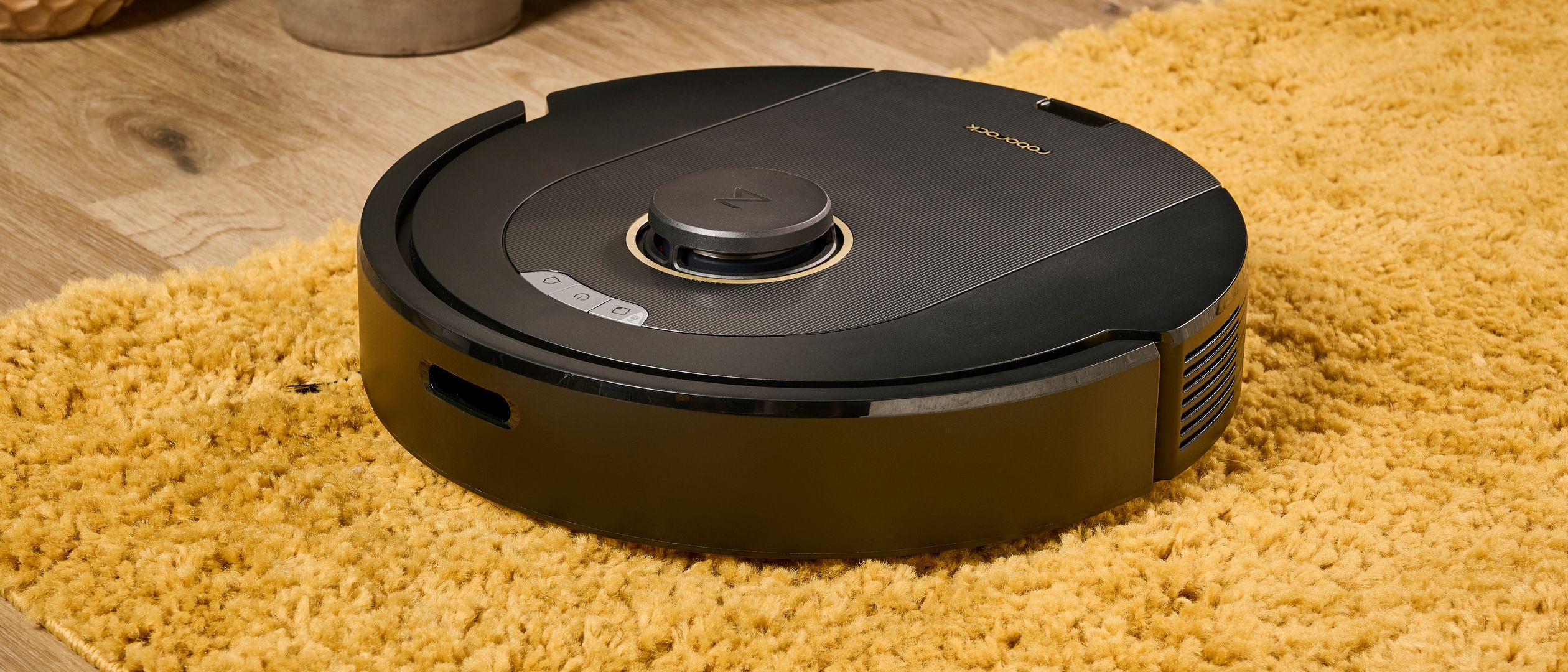
- Examples: Roborock Q5 Pro, most premium models
- Cost: Adds $100-200 to base price
Camera + AI (Good Option)
- Uses cameras and machine learning
- Needs some light to navigate
- Can recognize specific objects (shoes, cords, pet waste)
- Examples: Ecovacs Deebot X11
- Cost: Similar to LiDAR
Gyroscope Only (Budget Option)
- Uses internal sensors for basic mapping
- Creates rough room layouts
- Can get confused in complex layouts
- Cost: Usually under $200
Bump-and-Go (Avoid)
- No mapping, purely random movement
- Takes 3x longer to clean the same area
- Gets stuck constantly
- Why it exists: Costs $50 less to manufacture
2. Suction Power (But Numbers Lie)
Robot vacuum suction is measured in Pascals (Pa), but these numbers are largely meaningless. Here’s what we’ve learned from actual testing:
2000+ Pa: Adequate for hard floors and low-pile carpet 3000+ Pa: Good for medium-pile carpet and pet hair 4000+ Pa: Excellent for high-pile carpet and embedded dirt 5000+ Pa: Marketing territory — diminishing returns
Reality Check: A 5000 Pa robot often cleans worse than a 2500 Pa model with better brush design. The brush roller, airflow design, and cleaning pattern matter more than raw suction numbers.
The best robot vacuums for pet hair typically excel because of their brush systems, not suction power.
3. Mopping: Integrated vs. Add-On
Robot vacuum mopping in 2026 split into two camps:
Vibrating Mop Pads (Entry Level)
- Basic back-and-forth scrubbing motion
- Good for maintenance cleaning
- Won’t replace your weekly mopping routine
- Best for: Kitchens, light foot traffic areas
Rotating Mop Heads with Auto-Wash (Premium)
- Spinning mop pads with pressure control
- Self-cleaning and drying stations
- Can handle sticky spills and stains
- Best for: Households that want hands-off mopping
- Cost: $600+ territory
Our Take: If your budget is under $500, skip integrated mopping. Buy a dedicated robot vacuum and use that money toward a better mapping system.
4. Pet Hair Handling
This comes down to three factors:
Tangle-Free Brush Rolls
- Rubber fins instead of bristles
- Self-cleaning extractors that don’t wrap hair
- Essential if you have long-haired pets
Multi-Stage Filtration
- HEPA filters for allergen control
- Sealed system to prevent dust escape
- Replace filters every 2-3 months
Pet Detection AI
- Cameras that recognize and avoid pet accidents
- Useful if you have puppies or older pets
- Not necessary for house-trained pets
Budget Tiers That Actually Make Sense
We’ve tested robots from $100 to $1,500. Here are the sweet spots:
Under $200: Basic But Functional
- Gyroscope navigation only
- 2000-2500 Pa suction
- Basic app control
- Best Pick: Look for models with at least gyroscope mapping
- Good For: Apartments, hard floors, maintenance cleaning
$400-600: The Sweet Spot
- LiDAR or camera navigation
- 3000+ Pa suction
- Room-specific cleaning
- Basic mopping (if you want it)
- Best Pick: This tier offers the best value
- Good For: Most homes, mixed flooring, pet owners
$800-1200: Premium Features
- Advanced AI obstacle avoidance
- Auto-empty docking stations
- Rotating mop heads with auto-wash
- Multi-floor mapping
- Best Pick: Only worth it if you want hands-off cleaning
- Good For: Busy households, large homes, tech enthusiasts
$1200+: Diminishing Returns
- Marginal improvements over $800 models
- Often gimmicky features
- Our Take: Save your money unless you have very specific needs
The App Experience Matters More Than You Think
A bad app will make you hate your robot vacuum. Here’s what we look for:
Must-Have Features:
- Room-specific cleaning (“clean the kitchen”)
- No-go zones and virtual walls
- Scheduling by room and day
- Cleaning history and maintenance alerts
Nice-to-Have Features:
- Multi-floor mapping (if you have stairs)
- Voice assistant integration
- Remote monitoring via cameras
- Carpet boost mode
Red Flags:
- Requires cloud connection for basic functions
- Subscription fees for premium features
- Poor reviews in app stores
- No iOS/Android parity
Quick Decision Framework
If you have mostly hard floors and a simple layout: Basic LiDAR model, $300-400 range
If you have pets and mixed flooring: Mid-tier model with tangle-free brushes and HEPA filtration, $400-600 range
If you have multiple floors: Premium model with multi-floor mapping, $600+ range
If you want mopping that actually works: Premium model with rotating mop heads and auto-wash station, $800+ range
If you’re on a tight budget: Wait for sales on last year’s models, or buy a basic gyroscope model under $200
What Reddit Actually Recommends
We scraped r/RobotVacuums, r/BuyItForLife, and r/HomeAutomation for real owner feedback. Here’s what people actually buy and love:
Most Recommended Overall: Roborock S7 series (balance of features and reliability)
Best Budget Pick: Eufy RoboVac 11S Max (simple but reliable)
Best Pet Hair: Shark IQ Robot (tangle-free brush roll)
Most Regretted Purchase: Cheap Amazon knockoffs under $150 (break within 6 months)
Sleeper Hit: Wyze Robot Vacuum (surprisingly good for the price)
Maintenance Reality Check
Robot vacuums need more maintenance than manufacturers admit:
Weekly:
- Empty dustbin
- Clean brush roll
- Wipe sensors
Monthly:
- Clean filter
- Check wheels for hair/debris
- Clean charging contacts
Every 2-3 Months:
- Replace filter
- Replace brush roll (heavy pet hair homes)
- Deep clean sensors
Annual:
- Replace battery (after 2-3 years)
- Replace brush roll and side brushes
Budget for: $50-100 annually in replacement parts
Features That Sound Great But Aren’t
Voice Commands: Novelty wears off quickly. App control is faster.
Camera Streaming: Privacy concerns outweigh usefulness for most people.
Carpet Detection: Works poorly in practice. Manual area settings work better.
UV Sanitization: Marketing gimmick with no real-world benefit.
Self-Emptying Every Clean: Creates more maintenance, not less.
Red Flags to Avoid
- Models with only bump-and-go navigation (unless under $100)
- Vacuums that require proprietary cleaning solution for mopping
- Brands with poor customer service (check Reddit complaints)
- Models without replacement parts availability
- Vacuums that can’t clean without internet connection
The 2026 Reality: What’s Actually Changed
Improved Object Recognition: Modern cameras can reliably avoid pet waste, cords, and small objects. This used to be a premium feature — now it’s standard on $400+ models.
Better Battery Management: Most robots now return to base when needed and resume cleaning. Range anxiety is mostly solved.
Smarter Scheduling: Apps can now clean specific rooms on specific days. “Clean kitchen after breakfast” actually works.
Easier Maintenance: Tool-free brush removal and dishwasher-safe components became standard.
What Hasn’t Changed: Stairs still defeat them. Pet hair still tangles brushes. They still get stuck under furniture.
FAQ
Q: How often should a robot vacuum run? A: Daily for pet owners, every other day for most households. Let it run when you’re out of the house — it’s less efficient but more convenient than manual scheduling.
Q: Can robot vacuums replace regular vacuums?
A: Not entirely. You’ll still need a stick or canister vacuum for deep cleaning, furniture moving, and spot cleaning. Think of robots as maintenance cleaning.
Q: Are robot vacuums worth it for apartments? A: Absolutely. Small spaces are where robots shine. A basic model with gyroscope navigation can handle most apartments perfectly.
Q: How long do robot vacuums last? A: 3-5 years with proper maintenance. Battery replacement around year 2-3. Cheap models (<$200) typically last 12-18 months.
Q: Should I buy during sales or wait?
A: Black Friday and Amazon Prime Day offer genuine discounts (20-40% off). But if you need one now, mid-tier models are fairly priced year-round.
Bottom Line
Choose based on your specific situation, not feature checklists. A $400 robot that cleans your home reliably is better than a $1000 robot with features you’ll never use.
Most people should buy in the $400-600 range with LiDAR navigation, good app control, and pet-friendly brushes. Everything else is preference or nice-to-have.
And remember: the best robot vacuum is the one you’ll actually run regularly. Simple and reliable beats complex and finicky every time.
Looking for specific model recommendations? Check out our detailed reviews of the Roborock Q5 Pro and Ecovacs Deebot X11, or browse our best robot vacuums for pet hair guide.