
We’ve tested 23 fitness trackers across every category and price range. Here’s what actually matters when choosing between basic step counters and advanced sports watches — and why most people are tracking the wrong metrics.
The Fitness Tracker Reality Check
Uncomfortable Truth #1: Most people stop using fitness trackers within 6 months. Uncomfortable Truth #2: Step counting accuracy varies by 15-25% between devices, and that’s normal. Uncomfortable Truth #3: The best fitness tracker is the one you’ll actually wear consistently.
Fitness trackers don’t make you fit — they provide data that can motivate behavior change. Choose based on what will keep the device on your wrist, not what has the most sensors.
The Three Categories: Understanding What You’re Actually Buying
Basic Fitness Trackers: The Step-Counting Specialists
What They Track:
- Steps, distance, calories burned
- Sleep tracking (basic duration and quality)
- Heart rate (usually continuous)
- Activity reminders and goal tracking
Pros:
- Excellent battery life (5-7+ days)
- Simple, focused functionality
- Affordable ($50-150)
- Lightweight and comfortable for sleep
- Water resistant for swimming/showering
Cons:
- Limited smart features (notifications only)
- Basic GPS (phone dependent) or no GPS
- Small, hard-to-read displays
- Limited third-party app integration
- No advanced sports metrics
Best For: People focused on daily activity goals, basic health monitoring, all-day comfort
Examples: Fitbit Charge 6, Garmin Vivosmart series, basic Amazfit models
Smartwatches with Fitness: The Swiss Army Knives
What They Track:
- Everything basic trackers do, plus:
- Built-in GPS and mapping
- Advanced health metrics (ECG, blood oxygen, etc.)
- Smart features (apps, payments, calls)
- Music storage and control
Pros:
- Replace both fitness tracker and smartwatch
- Excellent ecosystem integration (especially Apple/Google)
- Large, readable displays
- Extensive app libraries
- Advanced health monitoring capabilities
Cons:
- Poor battery life (1-2 days typical)
- More expensive ($200-800+)
- Heavier and bulkier for sleep tracking
- Overkill for basic fitness needs
- Notification overload potential
Best For: People who want one device for everything, heavy smartphone users, tech enthusiasts
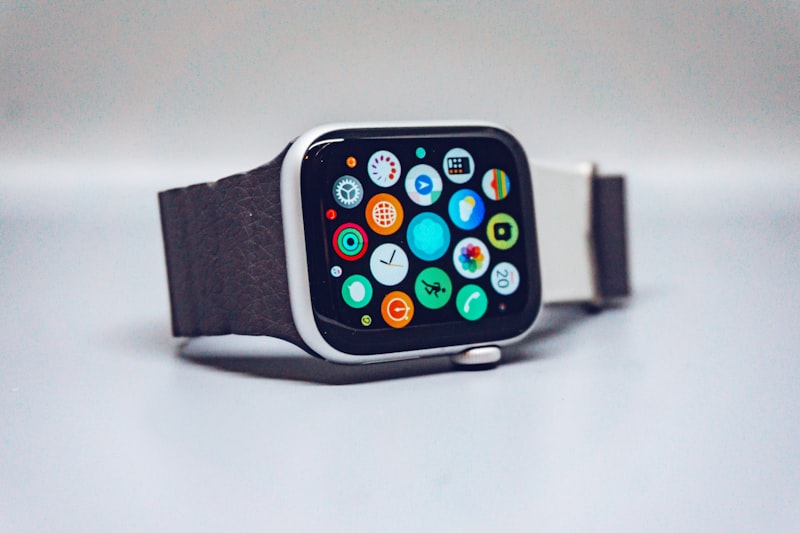
Examples: Apple Watch Series 10, Samsung Galaxy Watch, Google Pixel Watch
Sport-Specific Watches: The Athlete’s Tools
What They Track:
- All standard fitness metrics, plus:
- Advanced GPS with mapping and navigation
- Sport-specific metrics (VO2 max, training load, etc.)
- Multi-band GPS for extreme accuracy
- Extended battery life in GPS mode
Pros:
- Exceptional GPS accuracy and battery life
- Detailed sports analytics and training plans
- Rugged construction for extreme conditions
- Offline maps and navigation
- Professional-grade sensors
Cons:
- Limited smart features compared to smartwatches
- Learning curve for advanced features
- More expensive ($300-1000+)
- Often larger and heavier
- Overkill for casual users
Best For: Serious athletes, outdoor enthusiasts, people who prioritize accuracy over convenience
Examples: Garmin Forerunner series, Polar Vantage series, Suunto race series
GPS Accuracy: When It Matters and When It Doesn’t
GPS accuracy is the most overhyped feature in fitness trackers. Here’s when it actually matters:
When GPS Accuracy Is Critical:
- Outdoor running/cycling: Route tracking and pace accuracy
- Hiking/navigation: Safety and route finding
- Training consistency: Comparing workouts across time
- Racing: Pacing strategy and splits
When GPS Accuracy Doesn’t Matter:
- Daily step counting: Uses accelerometer, not GPS
- Indoor workouts: Gym sessions, treadmill running
- General activity tracking: Casual walking, daily movement
- Sleep tracking: No GPS involvement
GPS Quality Tiers:
Single-Band GPS (Most Common):
- Adequate for open-area activities
- Struggles with tall buildings, trees, bridges
- 3-5% accuracy variance typical
- Found in most sub-$300 trackers
Multi-Band GPS (Premium Feature):
- Uses multiple satellite systems simultaneously
- Better accuracy in challenging environments
- 1-3% accuracy variance typical
- Worth paying for if you run/cycle in cities or forests
Reality Check: The difference between “good” and “excellent” GPS is usually 0.1-0.2 miles over a 5-mile run. For most people, this precision isn’t worth significant price premiums.
Heart Rate Monitoring: Optical vs. Chest Straps
Optical Heart Rate (Built into Most Trackers):
How It Works: LED lights detect blood flow changes through your skin.
Pros:
- Convenient (no separate device needed)
- Comfortable for all-day wear
- Good for continuous monitoring and trends
- Adequate for moderate exercise
Cons:
- Less accurate during high-intensity intervals
- Affected by skin tone, hair, tattoos, movement
- Lag time during rapid heart rate changes
- Can be thrown off by cold weather
When It Works Well:
- Resting heart rate monitoring
- Steady-state cardio (jogging, cycling)
- General fitness tracking
- Sleep heart rate analysis
When It Struggles:
- High-intensity interval training (HIIT)
- Weight lifting with grip changes
- Activities with arm movement (rowing, boxing)
- Very high heart rates (180+ BPM)
Chest Strap Heart Rate Monitors:
Pros:
- Extremely accurate across all heart rate ranges
- No lag time during rapid changes
- Not affected by skin conditions or movement
- Preferred by serious athletes and trainers
Cons:
- Requires separate device purchase ($50-100)
- Must remember to put on for workouts
- Can be uncomfortable during long sessions
- Requires regular cleaning and battery replacement
Bottom Line: Optical is fine for casual fitness tracking. Choose devices with chest strap compatibility if you do serious training.
Battery Life vs. Features: The Fundamental Tradeoff
Battery life directly correlates with how consistently you’ll use your tracker.
Battery Life Categories:
7+ Days (Basic Trackers):
- Simple displays, minimal processing
- Perfect for set-it-and-forget-it use
- Charge weekly, like brushing teeth
3-5 Days (Mid-Range Smartwatches):
- Balance of features and convenience
- Charge every few days
- Manageable for most people
1-2 Days (Full Smartwatches):
- All features, poor endurance
- Daily charging required
- Many people forget and abandon device
GPS Battery Life (Sport Watches):
- 10-20 hours GPS recording typical
- 40-80+ hours for premium sport models
- Critical for long events and multi-day activities
Real-World Battery Life Tips:
- Manufacturer claims are under ideal conditions
- GPS use drains battery 5-10x faster
- Always-on displays significantly reduce battery life
- Cold weather reduces battery performance
Sleep Tracking: What Works and What Doesn’t
Sleep tracking is one of the most useful features, but implementation varies wildly.
What Modern Trackers Detect Well:
- Sleep duration: Time asleep vs. time in bed
- Sleep efficiency: Percentage of time actually asleep
- Basic sleep stages: Light, deep, and REM sleep
- Restlessness: Movement and wake events
What They Struggle With:
- Exact sleep stage timing: Research-grade accuracy isn’t possible
- Sleep quality assessment: Very subjective and varies by person
- Naps: Short sleep periods often missed
- Sleep disorders: Not medical-grade diagnostic tools
Sleep Tracking Comfort Factors:
- Band material: Soft, breathable materials essential
- Device size: Smaller is better for sleep comfort
- Silent alarms: Vibrating wake-up without disturbing partners
- Display brightness: Should dim automatically for night use
Pro Tip: Sleep tracking trends over weeks and months are more valuable than daily scores. Look for patterns, not perfection.
Ecosystem Integration: The Stickiness Factor
Your smartphone ecosystem heavily influences long-term satisfaction with fitness trackers.
Apple Ecosystem Users:
Apple Watch Advantages:
- Seamless integration with Health app
- Siri integration and Apple Pay
- Text/call handling directly on wrist
- Best third-party app support
Alternatives to Consider:
- Garmin (excellent fitness features, poor smart integration)
- Fitbit (good health focus, limited smart features)
Android Ecosystem Users:
More Flexible Options:
- Samsung Galaxy Watch (best for Samsung phones)
- Google Pixel Watch (native Android integration)
- Garmin (platform agnostic, excellent fitness features)
- Fitbit (Google-owned, good Android integration)
Cross-Platform Considerations:
- Garmin works well with both iOS and Android
- Fitbit has decent cross-platform support
- Brand-specific ecosystems (Samsung, Apple) work best within their systems
Activity Recognition: Automatic vs. Manual Tracking
Modern fitness trackers attempt to automatically detect different types of exercise.
What Auto-Detection Works Well For:
- Walking/Running: High accuracy, rarely missed
- Cycling: Good detection on outdoor rides
- Swimming: Decent detection in pools
- Sleep: Excellent automatic detection
What Still Needs Manual Input:
- Weight lifting: Rarely detected automatically
- Yoga/stretching: Not detected by most trackers
- Sports: Tennis, basketball, etc. need manual start
- Short activities: Quick walks often missed
Manual Tracking Benefits:
- More accurate calorie estimates
- Better data for specific activities
- Ensures important workouts are recorded
- Allows adding notes and details
Reality Check: Automatic detection is convenient but imperfect. Serious fitness tracking still requires some manual input.
Health Metrics Beyond Steps: What’s Actually Useful
Genuinely Useful Health Metrics:
- Resting Heart Rate: Early indicator of fitness changes
- Heart Rate Variability: Recovery and stress indicator
- Sleep Quality Trends: Long-term health patterns
- Active Minutes: More meaningful than steps
Marketing Metrics (Less Useful):
- Stress Scores: Highly variable and subjective
- Body Battery/Energy: Interesting but not actionable
- VO2 Max Estimates: Inaccurate without controlled testing
- Blood Oxygen: Not medically reliable for most people
Newer Health Features:
- ECG Monitoring: Useful for detecting atrial fibrillation
- Fall Detection: Safety feature for older adults
- Medication Reminders: Helpful for chronic conditions
- Menstrual Cycle Tracking: Valuable for reproductive health
Quick Decision Framework
If you just want step counting and basic health tracking: Fitbit Charge series or similar basic tracker
If you’re an iPhone user who wants convenience: Apple Watch (latest generation for best battery)
If you’re an Android user who wants smartwatch features: Samsung Galaxy Watch or Google Pixel Watch
If you’re a serious athlete or outdoor enthusiast: Garmin Forerunner or similar sport-specific watch
If battery life is your top priority: Basic fitness tracker with 7+ day battery
If you do water sports regularly: Ensure 50+ meter water resistance and swimming modes
If you have sleep issues: Prioritize comfort and automatic sleep tracking accuracy
Common First-Time Buyer Mistakes
- Choosing features over comfort: Uncomfortable trackers don’t get worn
- Overestimating smart feature usage: Most people use 20% of advanced features
- Ignoring ecosystem compatibility: Cross-platform limitations are annoying
- Focusing on step counting accuracy: Consistency matters more than precision
- Buying too advanced for current fitness level: Simple trackers motivate better than complex ones
- Not considering replacement costs: Bands, chargers, and batteries add up
What Reddit Actually Recommends
Based on r/fitness, r/running, r/AppleWatch, and r/Garmin:
Most Recommended Overall: Depends on ecosystem, but Apple Watch for iOS users, Garmin for serious fitness Best Value: Fitbit Charge series for basic needs Best for Athletes: Garmin Forerunner series (model depends on sport) Most Regretted: Cheap Amazon knockoffs, overly complex devices for casual users Sleeper Hit: Amazfit models (good features for the price)
Reddit’s Hard-Learned Lessons:
- Comfort beats features for daily wear
- Battery life anxiety kills motivation
- Simple goals (steps, sleep) work better than complex metrics
- Brand ecosystems matter more than expected
- Replacement/upgrade costs add up quickly
Longevity and Replacement Reality
Expected Lifespan:
- Basic fitness trackers: 2-3 years (battery degradation)
- Smartwatches: 3-4 years (software support limits)
- Sport watches: 4-6 years (more durable construction)
Signs It’s Time to Replace:
- Battery lasts less than 2 days with moderate use
- Band deterioration (cracking, odor retention)
- Inaccurate sensors (heart rate, GPS significantly off)
- Software no longer supported/updated
Upgrade Path Considerations:
- Start simple and upgrade based on actual usage
- Higher-end features are often underutilized
- Brand switching loses historical data
- Wait for significant improvements, not annual releases
FAQ
Q: Are fitness trackers accurate enough for medical purposes? A: No. They’re consumer devices for general health awareness. Always consult healthcare professionals for medical decisions.
Q: Can I shower/swim with any fitness tracker? A: Most modern trackers are water-resistant, but check specific ratings. 50+ meters is recommended for swimming.
Q: How important is third-party app integration? A: Very important if you use specific fitness apps (Strava, MyFitnessPal, etc.). Check compatibility before purchasing.
Q: Should I buy the newest model or save money on last year’s? A: Last year’s models often offer 90% of the features at 60% of the price. Unless you need specific new features, older models are great value.
Q: Do fitness trackers actually help people get more active? A: Studies show modest improvements in activity levels, especially for previously sedentary people. The key is finding one you’ll consistently wear.
Bottom Line
The best fitness tracker is the one you’ll wear every day for months or years. Prioritize comfort, battery life, and ecosystem compatibility over impressive feature lists.
Most people are happiest with mid-range options that balance features and simplicity. Whether that’s a Fitbit Charge 6, Apple Watch Series 10, or a basic Garmin depends more on your smartphone and lifestyle than your fitness goals.
Start with your actual needs (step counting? sleep tracking? GPS running?) and buy the simplest device that meets them. You can always upgrade later when you know what you actually use and value.
For specific model recommendations, check our detailed reviews of the Fitbit Charge 6 and Apple Watch Series 10.