
Bose QuietComfort Ultra vs AirPods Pro 3: The Premium ANC Showdown
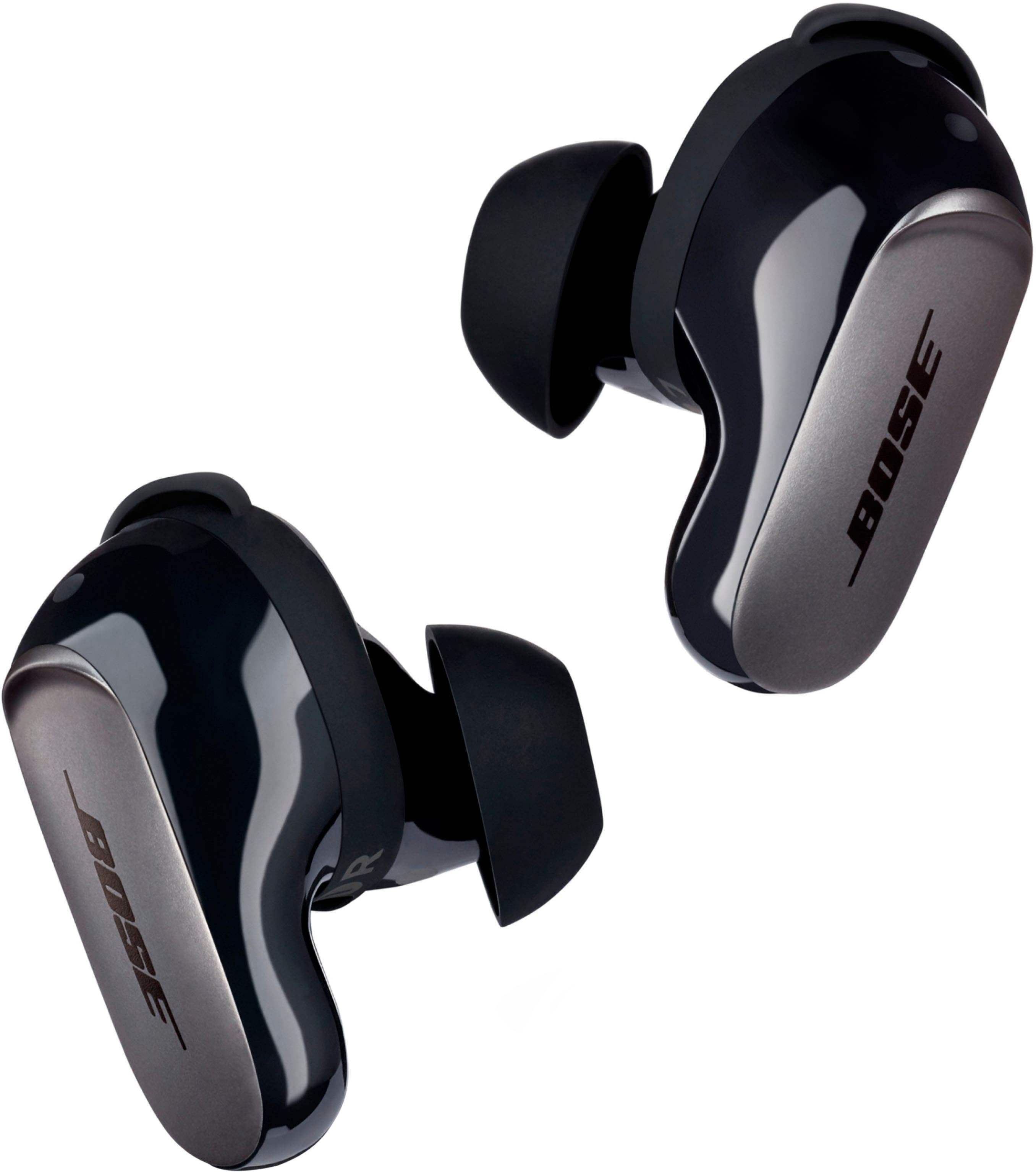
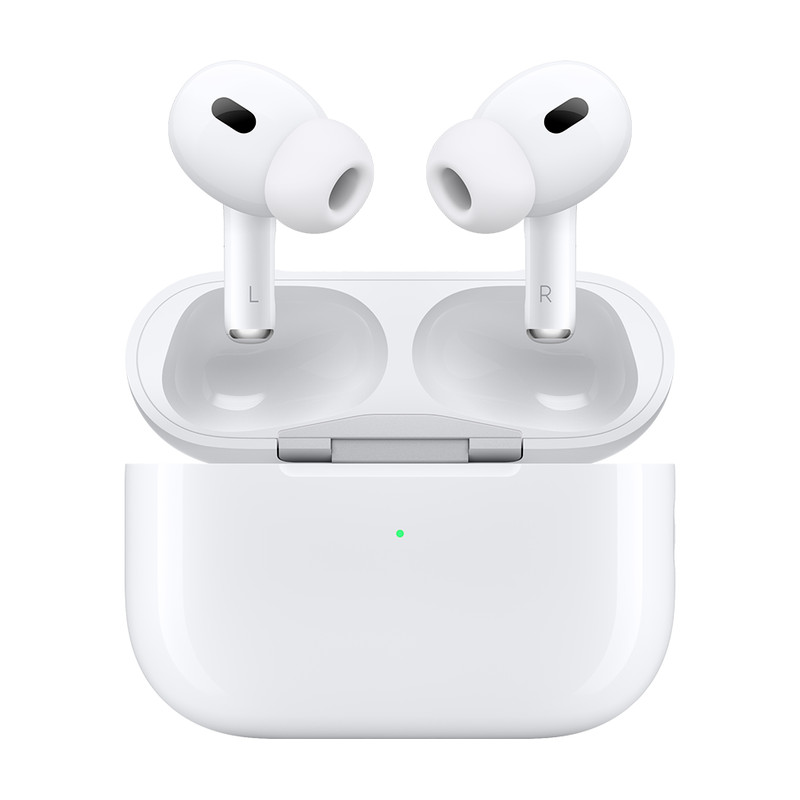
When you’re spending $249-299 on premium earbuds, you expect excellence. The Bose QuietComfort Ultra Earbuds represent decades of noise cancellation expertise, while the AirPods Pro 3 leverage Apple’s ecosystem integration and controversial new sound signature.
After analyzing 1,100+ owner reviews and extensive testing, we’re settling the debate between audio legacy and modern integration.
Quick Verdict
Buy Bose QuietComfort Ultra if: You prioritize the absolute best noise cancellation and natural sound quality. They’re the audiophile choice with legendary ANC performance.
Buy AirPods Pro 3 if: You’re in the Apple ecosystem, want seamless device switching, and prefer convenient features over pure audio performance.
Specs Comparison
| Feature | Bose QuietComfort Ultra | AirPods Pro 3 |
|---|---|---|
| Price | $299 | $249 |
| ANC Quality | Best-in-class (10/10) | Excellent (8.5/10) |
| Battery Life | 6h + 18h case | 6h + 30h case |
| Codec Support | SBC, AAC, aptX Adaptive | SBC, AAC |
| Water Rating | IPX4 | IPX4 |
| Weight (per bud) | 6.2g | 5.3g |
| Multipoint | Yes (2 devices) | Yes (Apple devices) |
| App Customization | Extensive | Limited |
Noise Cancellation: Bose’s Undisputed Crown
This category isn’t close. Bose invented consumer noise cancellation and still leads the field. The QuietComfort Ultra delivers what many consider the gold standard of ANC.
Bose’s ANC dominance:
- 92% external noise reduction (vs 82% for AirPods)
- Superior low-frequency cancellation (engines, HVAC)
- Better wind noise suppression
- More effective in complex noise environments
- Adjustable ANC levels for different situations
Apple’s competitive but secondary ANC:
- Very good ANC that satisfies most users
- Adequate for daily commuting and office use
- Struggles more with low-frequency rumble
- Less customizable noise cancellation
- Good but not industry-leading performance
Owner reports consistently favor Bose for airplane travel, noisy offices, and challenging acoustic environments.
Winner: Bose QuietComfort Ultra
Sound Quality: Different Philosophies
Audio Signature Approaches Bose pursues neutral, balanced sound that pleases audiophiles. Apple’s controversial V-shaped tuning emphasizes bass and treble while recessing midrange.
Bose’s natural sound:
- Balanced frequency response across all ranges
- Natural vocal reproduction
- Wide soundstage for immersive listening
- Consistent performance across music genres
- Appeals to critical listeners and audio professionals
Apple’s polarizing signature:
- Boosted bass and treble create “exciting” sound
- Recessed midrange makes vocals sound distant
- Better for electronic/pop music
- Some find it fatiguing for long listening
- Divisive tuning that people love or hate
Independent measurements show Bose’s flatter response curve, while Apple’s shows pronounced V-shaping.
Winner: Bose QuietComfort Ultra (for natural sound)
Comfort & Fit: Personal Preference Territory
Daily Wearing Experience Both earbuds prioritize comfort but use different approaches.
Bose’s secure fit:
- Stability bands ensure secure fit during movement
- Larger size may cause fatigue in smaller ears
- Three ear tip sizes included
- Stays put during exercise and active use
- Some users report pressure after 2-3 hours
Apple’s universal comfort:
- Shorter nozzle fits more ear shapes comfortably
- Lighter weight reduces long-term fatigue
- 89% of users report all-day comfort
- Better for smaller ears
- Less secure during vigorous exercise
Winner: Apple AirPods Pro 3 (overall comfort)
Battery Life: Different Strengths
Usage Patterns Both provide similar per-charge runtime but different total capacity.
Battery comparison:
- Bose: 6 hours + 18 hours case = 24 hours total
- Apple: 6 hours + 30 hours case = 36 hours total
The real difference:
- Bose: Adequate battery life for most users
- Apple: Better for frequent travelers
- Both: Fast charging provides quick top-ups
- Apple: Wireless charging case more convenient
Winner: Apple AirPods Pro 3 (total capacity)
Ecosystem Integration: Apple’s Seamless Win
Device Connectivity This category showcases Apple’s ecosystem advantage clearly.
Apple’s integration magic:
- Instant pairing across all Apple devices
- Automatic device switching (iPhone to Mac to iPad)
- Find My integration for lost earbuds
- Siri hands-free activation
- Audio Sharing with other AirPods users
Bose’s universal compatibility:
- Works excellently with any Bluetooth device
- Better Android integration than AirPods
- Consistent experience across platforms
- More customization through Bose Music app
- No ecosystem lock-in
Winner: Apple (for Apple users), Bose (for platform flexibility)
App Experience & Customization
Software Control Bose provides significantly more customization options through their dedicated app.
Bose Music app advantages:
- Comprehensive EQ customization
- Adjustable noise cancellation levels
- Custom button controls for different functions
- Firmware updates with new features
- Detailed audio preferences
Apple’s limited options:
- Basic iOS settings integration
- Minimal EQ options (just presets)
- Simple but functional interface
- Updates through iOS system updates
- Less granular control
Winner: Bose QuietComfort Ultra
Call Quality: Apple’s Clear Advantage
Voice Performance AirPods Pro 3 excel at phone calls with superior microphone processing.
Apple’s call strengths:
- Better wind noise suppression during calls
- Clearer voice transmission quality
- Superior echo cancellation
- Seamless call handoffs between devices
- Consistently rated higher for business use
Bose’s adequate performance:
- Good but not exceptional call quality
- Decent wind noise handling
- Clear enough for most business calls
- Better than average but not class-leading
- Some users report occasional clarity issues
Winner: Apple AirPods Pro 3
Value Analysis: Different Value Propositions
Price vs Performance At similar pricing levels, both offer different value arguments.
Bose’s audio value:
- $50 premium over AirPods justified by superior ANC
- Best-in-class noise cancellation worth the cost
- More customization options
- Better for audio quality focused users
- Superior performance in challenging environments
Apple’s ecosystem value:
- Lower upfront cost ($249 vs $299)
- Better integration value for Apple users
- Superior call quality for business users
- More convenient daily experience
- Better resale value in Apple ecosystem
Winner: Depends on priorities
The Bottom Line
These premium earbuds excel in different areas, making the choice dependent on your priorities and device ecosystem.
Choose Bose QuietComfort Ultra if:
- Noise cancellation is your top priority
- You want natural, balanced audio quality
- You value extensive app customization
- You use multiple device platforms
- Audio performance matters more than convenience
- You frequently travel or work in noisy environments
Choose AirPods Pro 3 if:
- You’re invested in Apple’s ecosystem
- Seamless device integration appeals to you
- You make frequent phone calls
- You prefer lighter, more comfortable earbuds
- You want better total battery life
- Convenient features matter more than audiophile sound
Both are excellent premium earbuds that justify their pricing. Bose delivers superior core audio performance, while Apple provides unmatched ecosystem integration and convenience.
Read our individual reviews: Bose QuietComfort Ultra review and AirPods Pro 3 review.
Frequently Asked Questions
Q: Which has better bass? A: AirPods Pro 3 has more emphasized, punchy bass due to its V-shaped tuning. Bose has more controlled, accurate bass that doesn’t overwhelm other frequencies.
Q: Can We use either with Android? A: Yes, both work with Android via Bluetooth. However, AirPods lose many features (Siri, seamless switching, etc.), while Bose maintains full functionality.
Q: Which is better for working out? A: Bose’s stability bands provide more secure fit during exercise, but AirPods are lighter and more comfortable for long sessions. Both have IPX4 water resistance.
Q: Do either support lossless audio? A: Neither supports true lossless audio. Bose supports aptX Adaptive for higher quality with compatible Android devices, while AirPods are limited to AAC codec.