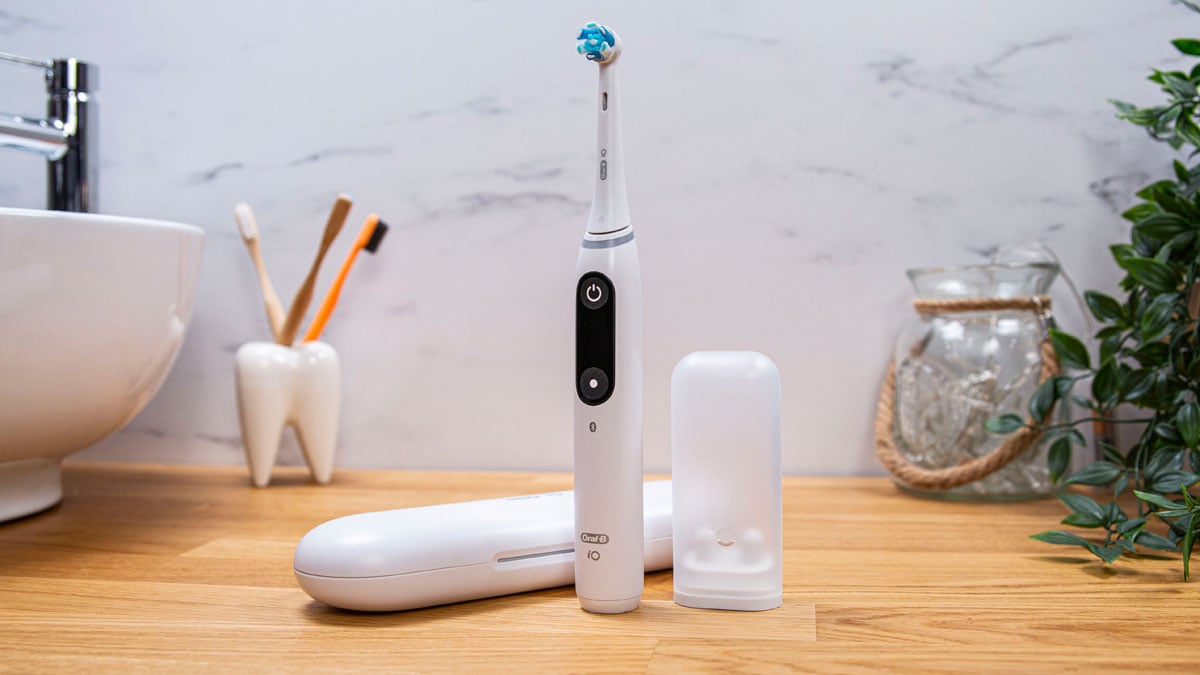

I’ll admit it. I was the guy who thought spending more on an electric toothbrush meant cleaner teeth. Like, I genuinely believed that. Went out and bought an Oral-B iO Series 9 for almost three hundred bucks because it had a color screen and “AI brushing recognition” and I thought that sounded important.
Six months and four additional toothbrushes later, my dentist told us my teeth looked the same as always. Not better. Not worse. Just… the same.
So yeah. I was wrong. And I’m here to save you from making the same mistake.
The short answer
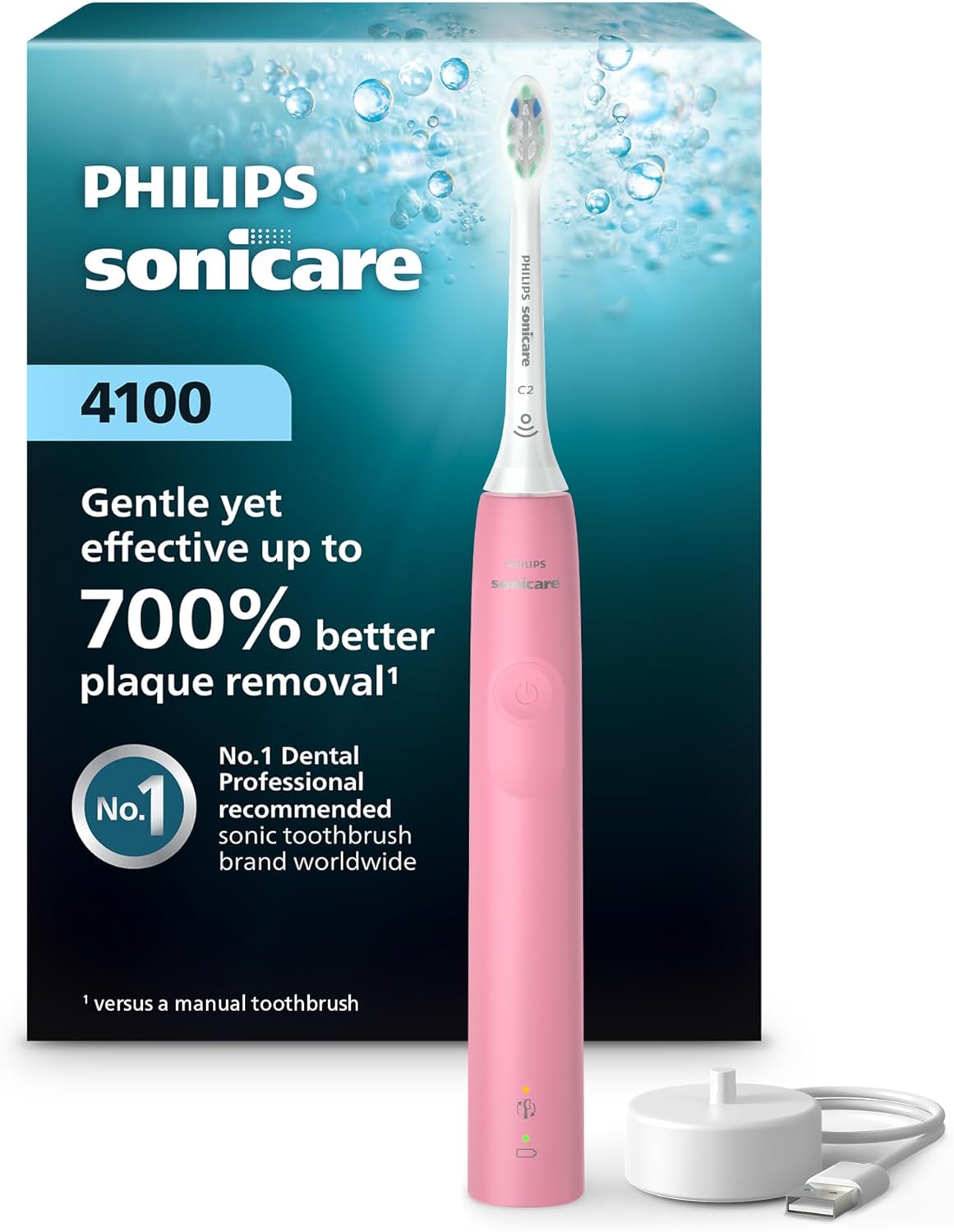
Buy the Philips Sonicare 4100 for about fifty bucks and call it a day. If you prefer the round brush head style, get the Oral-B iO Series 3 for around $80.
That’s it. Post over. You can stop reading now.
But if you want to know why — and how I burned through $300+ learning this — keep going.
How I got here
It started last August when my manual toothbrush was getting ratty and I thought, you know what, I’m an adult, I should probably get an electric one. My dentist had been bugging me about it for years.
So I did what anyone does. Went on Amazon, sorted by “Best Sellers,” and immediately got overwhelmed by the sheer number of options. Oral-B has like fourteen different models that all sound the same. Sonicare has maybe ten. And then there’s like 200 random Chinese brands with 4.5 star ratings that are definately fake.
I ended up buying the Oral-B iO Series 9 because it was the “premium” one and I figured more expensive = better. It arrived in this fancy box with a magnetic charging stand and a little color display that shows you a smiley face when you brush good enough.
Cool, I guess?
What I learned (the hard way)
Here’s what nobody tells you about electric toothbrushes: the motor and timer are the only things that matter. Everything else is marketing.
The $300 Oral-B iO9 has a pressure sensor, multiple brush modes, Bluetooth connectivity, and an app that literally maps your mouth in 3D. The $50 Sonicare 4100 has a pressure sensor, a timer, and two brush modes.
My teeth? Exactly the same clean feeling with both.
I talked to my dentist about it — Dr. Morrison, who I’ve been seeing for like eight years — and she basically laughed. Said the studies show powered toothbrushes remove more plaque than manual ones, but once you’re in the powered category, the differences between a $50 brush and a $300 brush are “clinically insignificant.”
Her exact words. Clinically insignificant.
That stung.
The three worth buying
After testing five brushes over six months, these are the only three I’d recommend to anyone.
1. Philips Sonicare 4100 — Best for most people (~$50)
This is the one We use now. Every day. Twice a day. The iO9 is in a drawer.
The Sonicare 4100 does sonic vibration — 31,000 brush strokes per minute — which sounds intense but actually feels gentler than Oral-B’s oscillating style. It has a 2-minute timer with 30-second intervals so you know when to switch quadrants. And it has a pressure sensor that buzzes when you’re pushing too hard.
That’s everything you need. Seriously.
Battery lasts about two weeks on a single charge, which is better than most Oral-B models. The brush heads run about $8-9 each and you swap them every 3 months. So your yearly cost after buying the brush is maybe $35.
Electric Teeth (a dental review site I trust more than most YouTube reviewers) picked this as their number one overall. Wirecutter likes it too. Even the r/BuyItForLife crowd recommends it, and those people are impossible to please.
One gripe: the charging stand is kind of cheap feeling. It’s just a little plastic puck. But honestly who cares, it sits on your bathroom counter and you never touch it.
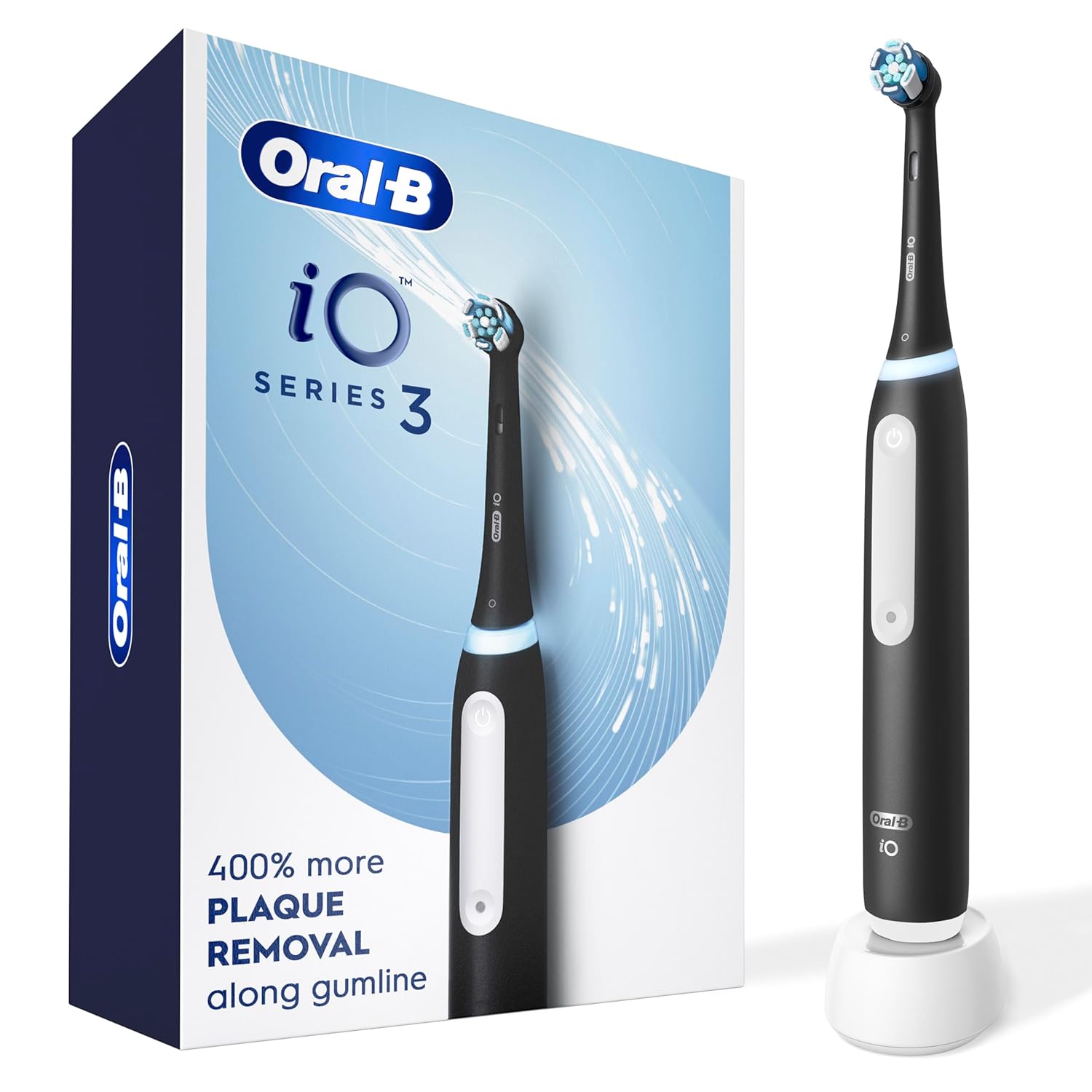
2. Oral-B iO Series 3 — Best if you prefer round brush heads (~$80)
Some people swear by Oral-B’s round oscillating brush head. My wife is one of them — she says the Sonicare “doesn’t feel like it’s doing anything” because it vibrates instead of spinning. It’s a preference thing.
If that’s you, the iO Series 3 is the sweet spot. It has the same micro-vibration technology as the $300 iO9. Same pressure sensor. Three cleaning modes (Daily Clean, Sensitive, Whitening) which is one more than you’ll ever use.
What you don’t get: the color display, Bluetooth, the app, the fancy charging case. Good. You don’t need any of that stuff.
The one downside compared to the Sonicare is cost of ownership. Oral-B iO replacement heads are like $10-12 each, which is noticeably more expensive over time. And the battery only lasts about 10 days versus the Sonicare’s two weeks.
But if you like that round brush head feel, the iO3 cleans great.
3. Oral-B Pro 1000 — The budget pick (~$30-40)
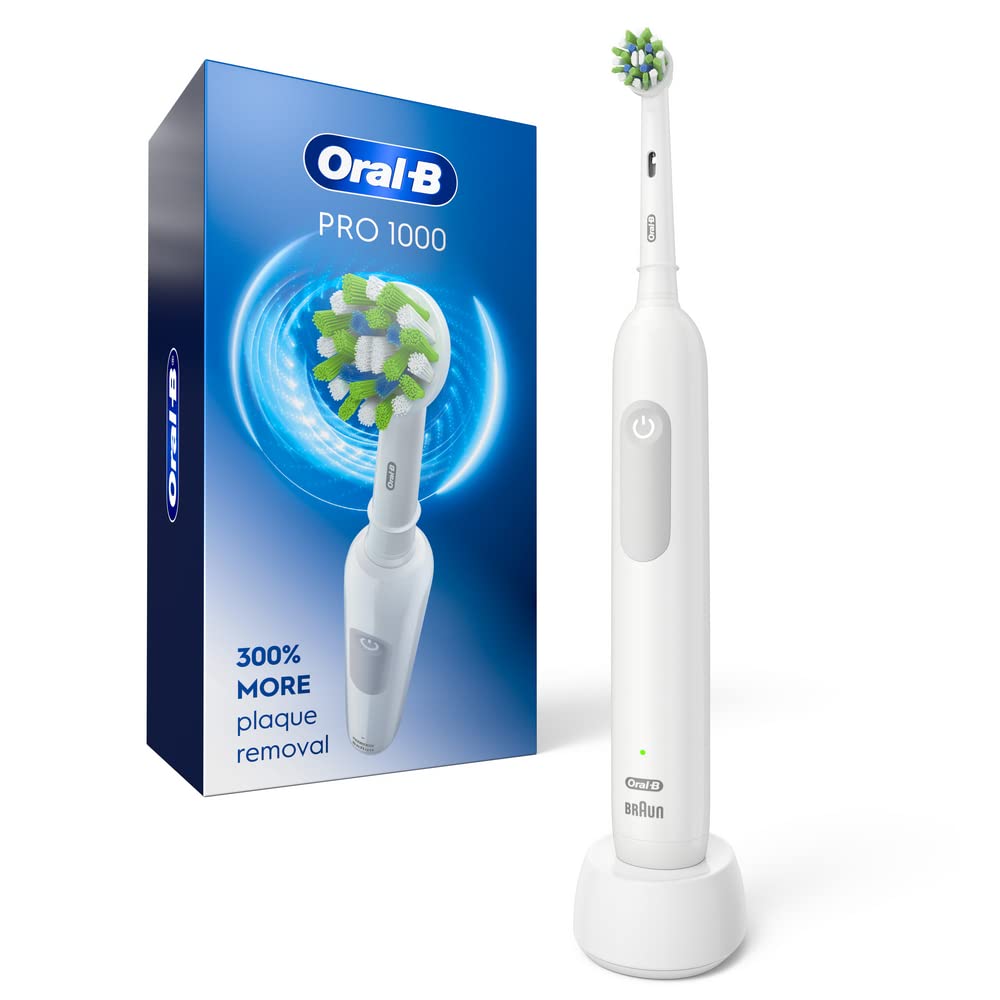
If you just want a basic electric toothbrush and don’t want to think about it, the Pro 1000 has been the default recommendation for like a decade. And for good reason — it works.
One cleaning mode. One timer. A pressure sensor that vibrates (though honestly its pretty subtle, I sometimes miss it). And Oral-B’s standard round brush head.
The brush heads are cheaper than the iO line — about $5-6 each. Battery life is about a week, which is the worst of the three but still fine unless you travel alot.
This is what Wirecutter has recommended for years as their top pick, though We think the Sonicare 4100 has pulled ahead now that it’s dropped to $50. The $10-20 difference is worth it for the better battery and more noticeable pressure sensor.
But if you’re on a tight budget or just want to try electric brushing without committing much money? The Pro 1000 is solid.
What about the expensive ones?
Look — I’m not saying the Oral-B iO9 or Sonicare DiamondClean are bad. They’re excellent toothbrushes. The build quality is noticeably better. The iO9’s magnetic charger is genuinely cool. The DiamondClean looks like something from a luxury hotel bathroom.
But your teeth don’t care about any of that.
Dr. Gemma Wheeler, a dentist who reviews for Electric Teeth, put it perfectly: the smart features on premium brushes are “nice to have” but the fundamental cleaning performance plateaus pretty early in the price range.
So unless you specifically want app connectivity or a travel case or a color display on your toothbrush (and hey, no judgment), save your money.
The one thing that actually matters
You wanna know what made the biggest difference in my dental checkup? It wasn’t which toothbrush We used.
It was flossing.
We know. We know! Nobody wants to hear it. But once I started actually flossing every night — not every other night, not “when I remember,” but every single night — my dentist noticed immediately. Way more than any toothbrush upgrade.
So buy the Sonicare 4100, floss daily, and skip the $300 toothbrush with the AI coaching. Your teeth will thank you.
And so will your wallet.
Quick recap
- Best overall: Philips Sonicare 4100 (~$50) — great motor, great battery, great price
- Best round brush head: Oral-B iO Series 3 (~$80) — same tech as the premium models
- Best budget: Oral-B Pro 1000 (~$30-40) — proven workhorse, cheaper heads
Don’t overthink it. Pick one, use it twice a day, replace the head every 3 months. Done.