
We may earn a commission from purchases made through links in this article, at no extra cost to you.
You’ve been watching camera comparison videos for weeks. Every YouTuber recommends something different—usually whatever brand sent them a free unit. Meanwhile, you’re trying to figure out which camera will actually help you make better content without draining your savings or overheating mid-shoot.
We analyzed professional reviews, forum discussions, and real-world creator feedback to find the best cameras for content creation in 2026. Here’s what we found: the “best” camera depends entirely on what you shoot—and the most expensive option isn’t always the answer.
Quick Verdict: Which Camera Should You Buy?
| Creator Type | Our Pick | Price | Why |
|---|---|---|---|
| Budget-Conscious Creators | Sony ZV-E10 II | $998 | Best value, excellent autofocus, no compromises that matter |
| Low-Light/Cinematic Work | Sony ZV-E1 | $2,198 | Full-frame sensor, best low-light, smallest full-frame |
| Serious Video Production | Panasonic GH7 | $2,197 | No overheating, unlimited recording, ProRes internal |
| Beginners | Sony ZV-E10 II | $998 | Easy to use, great ecosystem, room to grow |
Bottom line: The Sony ZV-E10 II is the best camera for most content creators. Only get the ZV-E1 if you need full-frame low-light performance, or the GH7 if you shoot long-form content and can’t risk overheating.
#1: Sony ZV-E10 II — Best Value for Content Creators
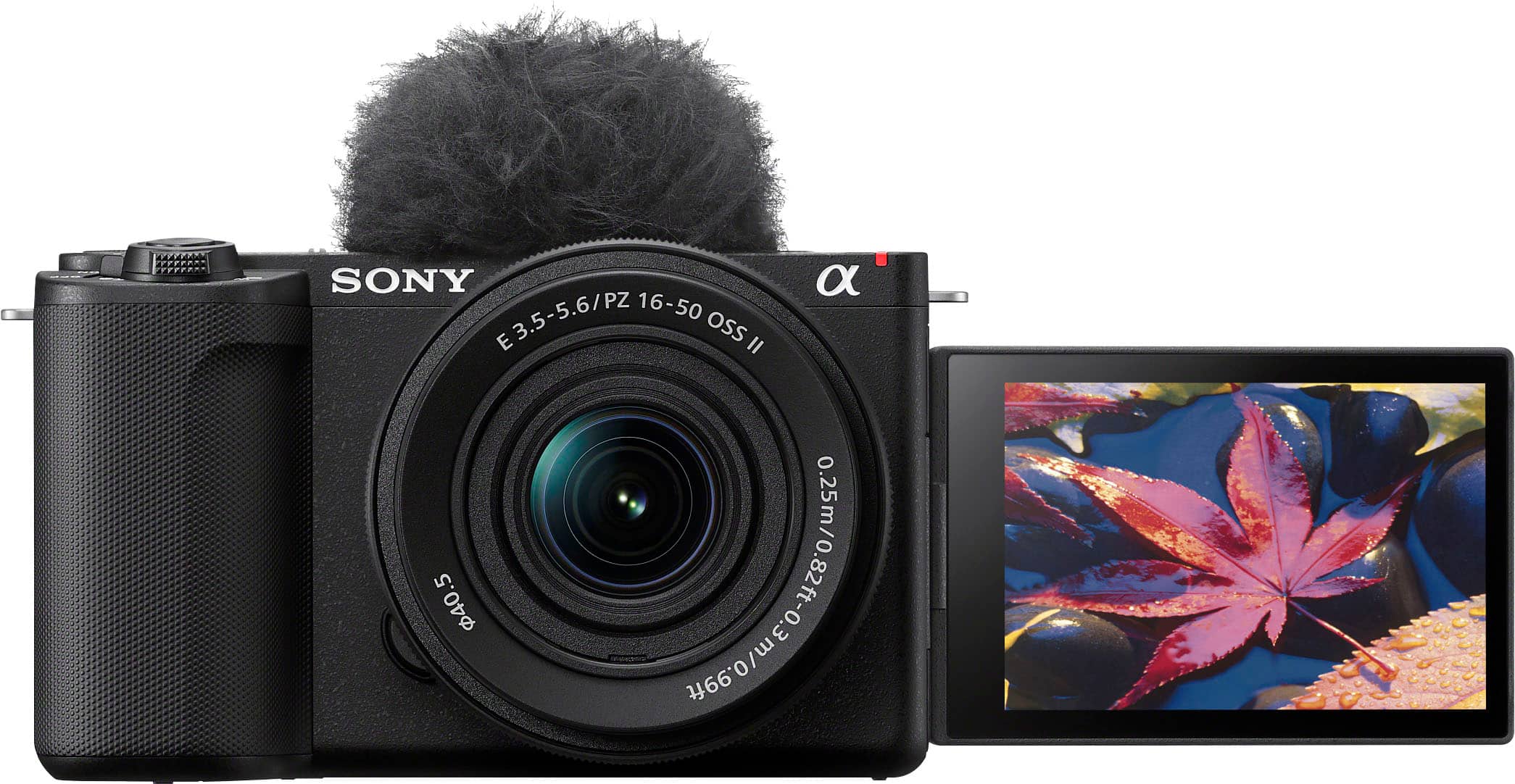
$998 (Body Only) | $1,098 (with 16-50mm Lens) | Check Price on Amazon
The Sony ZV-E10 II has been called “the best camera on the market for vloggers” by multiple reviewers—and for good reason. It delivers professional-quality video at a price point that doesn’t require a second mortgage.
Why Creators Love It
26MP APS-C sensor hits the sweet spot. Large enough for excellent image quality, small enough for manageable file sizes and a compact body. The sensor delivers sharp 4K video up to 60fps with impressive dynamic range.
AI subject recognition is genuinely useful. Sony’s real-time autofocus tracks faces, eyes, animals, birds, insects, cars, trains, and planes. For vloggers, this means reliable focus without constantly checking if you’re sharp.
Flip screen and vlogger-friendly design. The fully articulating screen makes solo shooting straightforward. The directional 3-capsule microphone captures decent audio when you don’t have an external mic.
4K/60p and 4K/120p slow motion. Shoot smooth 60fps footage for everyday content, or capture stunning 120fps slow motion for b-roll and creative shots.
Massive lens ecosystem. Sony’s E-mount has more lens options than any other system. From budget-friendly Sigma primes to premium G Master glass, you’ll never outgrow the selection.
Compact and lightweight. At just 377g (body only), the ZV-E10 II disappears in a bag and won’t tire you out during long shooting days.
The Honest Downsides
No in-body image stabilization (IBIS). This is the biggest omission. You’ll need stabilized lenses, a gimbal, or rely on electronic stabilization (which crops your frame). For handheld walking shots, this limitation is noticeable.
Rolling shutter is present. Fast pans or filming moving subjects can produce the “jello” effect. It’s not terrible, but it’s there—especially in 4K60.
No viewfinder. If you’re shooting outdoors in bright sunlight, the flip screen can be hard to see. Professional photographers may miss the EVF.
No mechanical shutter. Photos-only shooters may notice rolling shutter artifacts in still images with fast movement.
Single SD card slot. No backup recording option. Professionals shooting paid work may find this limiting.
Some overheating concerns. While better than the ZV-E1, extended 4K60 recording in warm conditions can trigger heat warnings.
Specs at a Glance
| Spec | Details |
|---|---|
| Sensor | 26MP APS-C Exmor R CMOS |
| Video | 4K/60p, 4K/120p (cropped), 1080/120p |
| Autofocus | 759-point phase detection, AI subject tracking |
| Stabilization | Electronic only (no IBIS) |
| Screen | 3" vari-angle touchscreen |
| Weight | 377g (body only) |
| Battery | ~95 min video recording |
Best For:
- ✓ YouTube vloggers and content creators
- ✓ Budget-conscious filmmakers
- ✓ Creators who prioritize autofocus
- ✓ Anyone starting out who wants room to grow
Skip If:
- ✗ You need in-body stabilization
- ✗ You shoot long events without breaks
- ✗ You require backup recording to dual cards
#2: Sony ZV-E1 — Best Full-Frame for Creators
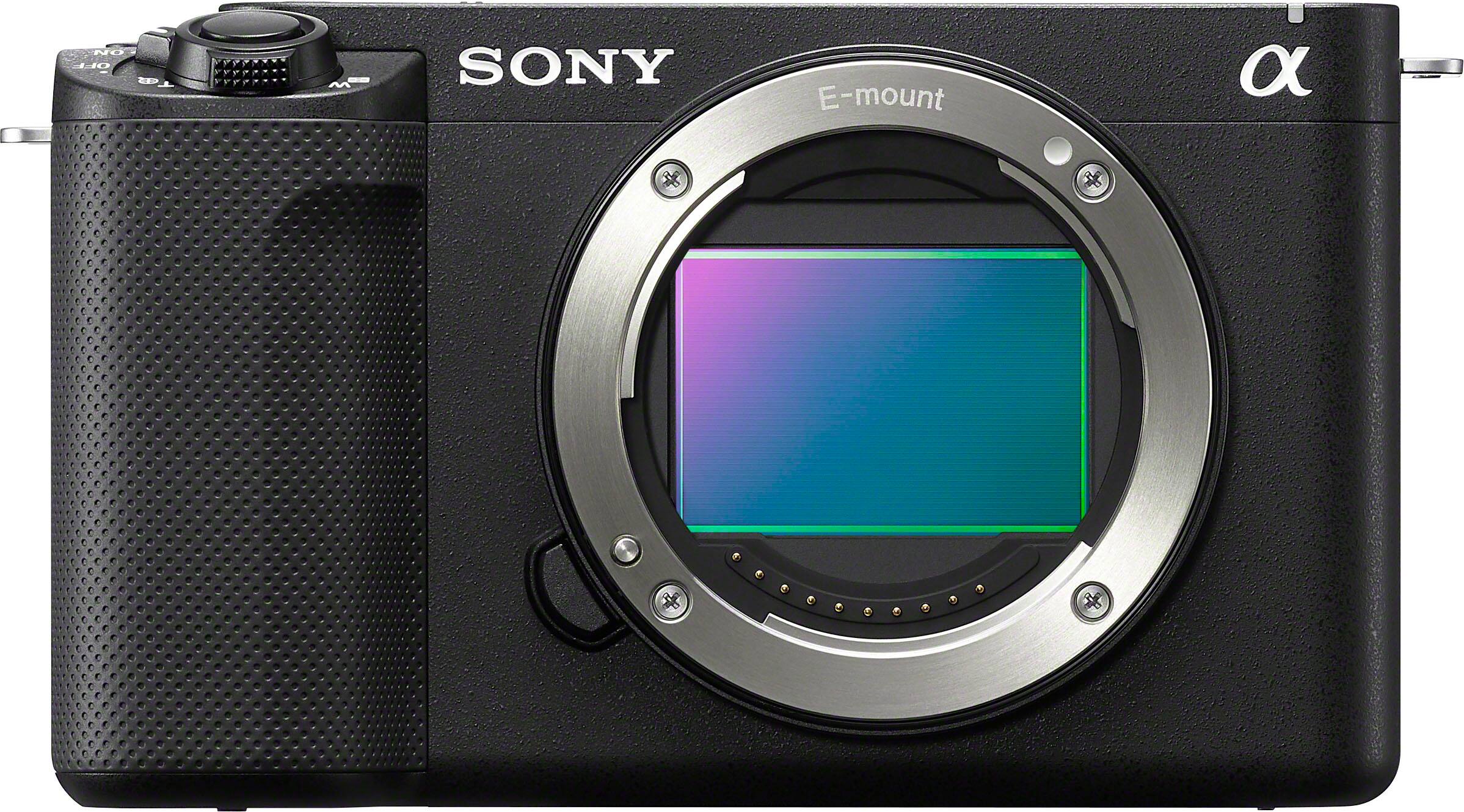
$2,198 (Body Only) | Check Price on Amazon
The Sony ZV-E1 puts a full-frame sensor into a vlogging-focused body. It’s “the smallest, lightest full-frame camera with image stabilization”—but that compact size comes with significant compromises.
Why It Appeals to Creators
12.1MP full-frame sensor excels in low light. The larger photosites gather more light, delivering cleaner footage in challenging conditions. For indoor creators or those shooting at night, the difference is visible.
Same sensor as the $3,900 FX3. Sony’s cinema-line technology in a smaller, cheaper package. The color science and dynamic range match Sony’s professional video cameras.
Compact full-frame body with IBIS. Active stabilization makes handheld shooting viable without a gimbal. The 5-axis system works well for walking and talking shots.
4K/120p for cinematic slow motion. Full-frame slow motion opens creative possibilities that crop-sensor cameras can’t match at the same quality level.
Exceptional autofocus. Sony’s AI-powered real-time tracking is class-leading. It locks onto subjects and doesn’t let go.
Cinematic depth of field. Full-frame naturally produces shallower depth of field, giving your footage that “professional” look with creamy background blur.
The Honest Downsides (And They’re Significant)
Overheating is a real problem. This is the ZV-E1’s Achilles heel. Multiple users report the camera overheating in 27-37 minutes shooting 4K60, and as little as 13 minutes at 4K120. One reviewer stated: “In a 25°C/77°F environment, expect the camera to overheat.” If you’re shooting events, interviews, or any long-form content—this camera will shut down on you.
No internal cooling fan. Unlike Sony’s FX3 or FX30, the ZV-E1 relies on passive cooling. In warm environments, overheating becomes even more severe.
Micro-HDMI port. Multiple users call this “the worst port on the market.” It’s fragile, requires special cables, and can easily disconnect during use.
Small grip is uncomfortable. Users with larger hands report knuckles hitting the lens and difficulty maintaining a secure hold during extended shooting.
Only 12.1 megapixels. While fine for video, photographers may find the resolution limiting for cropping or large prints.
Premium price for compromises. At $2,198, you’re paying full-frame prices but getting a camera that can’t reliably record for more than 30 minutes. Some reviewers argue it should be priced under $1,500 given its limitations.
Reliability concerns. One user reported USB port failures after light use, requiring board replacement. “The least reliable model out of dozen of cams I’ve owned.”
Specs at a Glance
| Spec | Details |
|---|---|
| Sensor | 12.1MP Full-Frame Exmor R CMOS |
| Video | 4K/60p, 4K/120p, S-Log3, S-Cinetone |
| Autofocus | 759-point phase detection, AI tracking |
| Stabilization | 5-axis IBIS + Active Mode |
| Screen | 3" vari-angle touchscreen |
| Weight | 483g (body only) |
| Recording Limit | ~30 min 4K60 before overheating |
Best For:
- ✓ Low-light specialists
- ✓ Short-form content (under 20 min takes)
- ✓ Creators who prioritize cinematic depth of field
- ✓ Run-and-gun shooters in cool environments
Skip If:
- ✗ You shoot long-form content (podcasts, interviews, events)
- ✗ You work in warm environments
- ✗ Reliability is critical for your work
- ✗ Budget is a consideration
#3: Panasonic LUMIX GH7 — Best for Serious Video Production
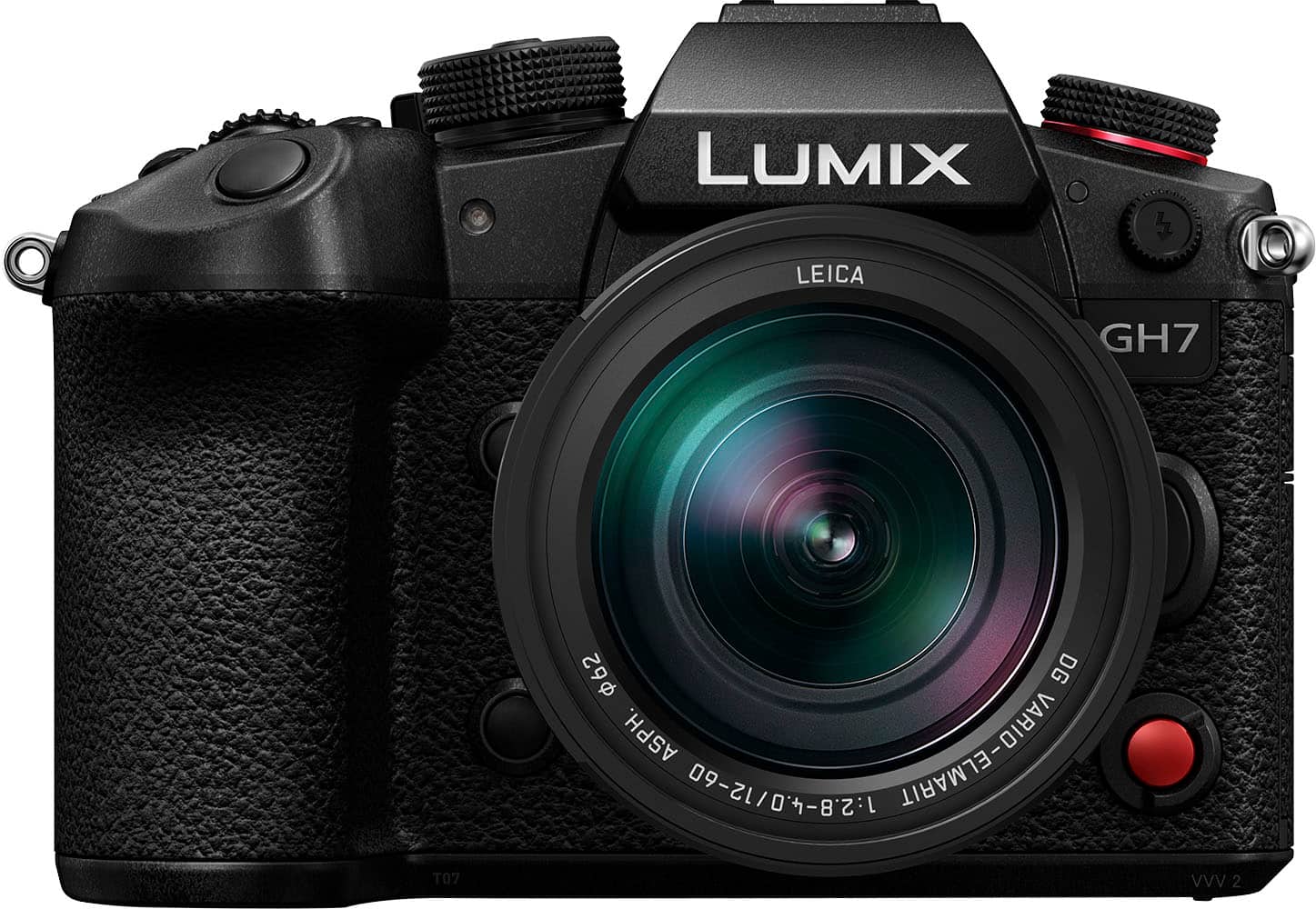
$2,197 (Body Only) | Check Price on Amazon
The Panasonic GH7 is “a mature video camera disguised as a hybrid.” While Sony focuses on autofocus and compact design, Panasonic built a camera that prioritizes what video professionals actually need: reliability, recording flexibility, and no overheating.
Why Video Pros Choose It
No overheating—ever. This is the GH7’s killer feature. While Sony cameras shut down after 30 minutes, the GH7 records continuously without thermal issues. For interviews, events, podcasts, or any long-form content, this reliability is invaluable.
Unlimited recording time. No arbitrary recording limits. Hit record and forget about it. For creators who can’t afford to miss a moment, this matters.
Internal ProRes recording. Record Apple ProRes 422 HQ internally—no external recorder needed. This professional codec simplifies post-production and delivers better quality than most internal recording options.
5.7K open-gate video. Shoot in the sensor’s native 4:3 aspect ratio for maximum flexibility in post. Reframe for 16:9, 9:16 (vertical), or 1:1 without losing resolution.
Best-in-class stabilization. The GH7’s image stabilization is remarkably effective. TechRadar called it “superb image stabilization perfect for solo creators shooting handheld video.”
Phase-detect autofocus (finally). Panasonic addressed their historical weakness. The GH7’s hybrid AF system is vastly improved over previous models, with reliable subject tracking.
Real-Time LUT preview. Apply your color grade while shooting to see the final look in-camera. This speeds up post-production and helps ensure consistent results.
Adobe Creative Cloud integration. Transfer footage directly to Adobe apps with optimized workflows. For creators already in the Adobe ecosystem, this saves significant time.
The Honest Downsides
Micro Four Thirds sensor limitations. The smaller sensor means more noise at high ISO and less background blur compared to full-frame. At ISO 25,600, images become extremely grainy with reduced detail.
Battery life is underwhelming. The GH7’s power consumption is high—especially when shooting in demanding video modes. Pack extra batteries.
No full-frame equivalence. If shallow depth of field is crucial to your aesthetic, full-frame cameras deliver more background separation with the same aperture.
Bulky by MFT standards. The GH7 is larger than most Micro Four Thirds cameras. You’re not getting the compact advantage of the smaller sensor.
EVF is dated. At 3.68 million dots, the electronic viewfinder is behind competitors at this price point. The Panasonic S1 launched years ago with a superior 5.76M dot panel.
External SSD limited to 60p. When recording to external drives, you can’t exceed 60fps—limiting some workflows.
Specs at a Glance
| Spec | Details |
|---|---|
| Sensor | 25.2MP Micro Four Thirds |
| Video | 5.7K/30p, 4K/120p, ProRes internal |
| Autofocus | Phase-detect hybrid AF |
| Stabilization | 5-axis Dual I.S. 2 |
| Screen | 3" free-angle touchscreen |
| Weight | 805g (body only) |
| Recording Limit | Unlimited (no overheating) |
Best For:
- ✓ Long-form content creators (podcasts, interviews, events)
- ✓ Filmmakers who need ProRes internal
- ✓ Anyone who can’t risk overheating mid-shoot
- ✓ Creators prioritizing video features over stills
Skip If:
- ✗ Low-light performance is critical
- ✗ You want maximum background blur
- ✗ Compact size is a priority
- ✗ You primarily shoot photos
Head-to-Head Comparison
| Feature | Sony ZV-E10 II | Sony ZV-E1 | Panasonic GH7 |
|---|---|---|---|
| Price | $998 | $2,198 | $2,197 |
| Sensor | 26MP APS-C | 12.1MP Full-Frame | 25.2MP MFT |
| Best For | Budget creators | Low-light work | Long-form video |
| 4K/60p | ✓ | ✓ | ✓ |
| 4K/120p | ✓ (cropped) | ✓ | ✓ |
| IBIS | ✗ | ✓ | ✓ |
| Overheating | Some issues | Major issues | None |
| Unlimited Recording | ✗ | ✗ | ✓ |
| ProRes Internal | ✗ | ✗ | ✓ |
| Autofocus | Excellent | Excellent | Good |
| Low-Light | Good | Excellent | Fair |
| Weight | 377g | 483g | 805g |
| Viewfinder | ✗ | ✗ | ✓ |
See These Cameras in Action
Watch a detailed comparison of these cameras to see real-world footage quality, autofocus performance, and how they handle different shooting scenarios:
How to Choose: The Real Decision
What type of content do you create?
Short-form content (YouTube videos, TikTok, Instagram): Get the Sony ZV-E10 II. The autofocus is excellent, the price is reasonable, and the recording limits won’t affect 10-20 minute videos. The lack of IBIS is manageable with stabilized lenses or a gimbal.
Long-form content (podcasts, interviews, live events): Get the Panasonic GH7. Overheating isn’t a risk you can take when a client is paying you or you’re recording a once-in-a-lifetime event. The unlimited recording and thermal reliability are worth the price.
Cinematic/low-light work: Get the Sony ZV-E1—but only if you can work around the overheating. Shoot in short takes, work in cool environments, and be prepared for limitations. The full-frame image quality is genuinely beautiful when the camera cooperates.
Just starting out: Get the Sony ZV-E10 II. Learn the craft, build your channel, and upgrade when you know exactly what limitations you’re hitting. The ZV-E10 II won’t hold you back for years.
The Bottom Line
Here’s the uncomfortable truth: there’s no perfect camera in this lineup.
The Sony ZV-E10 II is our top recommendation because it offers the best balance of features, price, and reliability. Its limitations (no IBIS, some overheating) are manageable for most creators, and the $998 price point leaves budget for good lenses, lighting, and audio—which matter more than camera specs for most content.
The Sony ZV-E1 is beautiful when it works, but overheating issues make it hard to recommend at $2,200. If Sony fixes the thermal management, this becomes an easy recommendation. Until then, proceed with caution.
The Panasonic GH7 is the professional’s choice for video—reliable, feature-packed, and built for actual production work. The Micro Four Thirds sensor is the only real compromise, and for video, it barely matters.
Our advice: Buy the camera that solves your actual problems, not the one with the best specs on paper. A ZV-E10 II that you use every day beats a ZV-E1 that overheats during your most important shoot.
Last updated: February 2026. Prices and availability subject to change.