

Let me save you three years of sneezing.
We have seasonal allergies. Not the cute “oh my nose is a little stuffy” kind. The kind where I wake up at 3am in April unable to breathe through my nose, eyes swollen shut, feeling like someone stuffed cotton in my sinuses overnight. My doctor prescribed Flonase, Zyrtec, eye drops — the whole arsenal. Helped some. Not enough.
So We bought an air purifier. Then another. Then two more. Hundreds of dollars later, I finally understand what actually works and why my first three purchases were basically expensive fans with fancy marketing.
The Problem Nobody Tells You About
Here’s what I didn’t know when I started: most air purifiers claiming to help with allergies can’t actually cycle enough air to matter.
Wirecutter’s testing team has been banging this drum for years. They calculate something called ACH — air changes per hour. Basically, how many times per hour does the purifier filter all the air in your room?
Most cheap purifiers claiming to cover “500 square feet” can barely manage 2 ACH in a 200 square foot room. That’s not filtering, that’s just moving air around. For allergies, you need 4-5 ACH minimum. Ideally more.
We bought a $50 Walmart special first. Ran it for a month. Made absolutely zero difference. The filter looked clean because basically nothing was going through it.
What Actually Matters for Allergy Sufferers
After way too much research — reading through allergy forums, Wirecutter’s testing methodology, RTINGS lab results, and a few academic papers I probably shouldn’t have attempted — here’s what I learned:
True HEPA is non-negotiable. Not “HEPA-style” or “HEPA-like” or any of that garbage. True HEPA means 99.97% capture of particles at 0.3 microns. Pollen is usually 10-100 microns. Dust mites are 100-300 microns. These are easy catches for True HEPA. The 0.3 micron standard matters because that’s actually the hardest particle size to capture — bigger AND smaller particles get caught more efficiently. Weird physics but it’s real.
CADR matters more than room size claims. CADR is Clean Air Delivery Rate, measured in cubic feet per minute. Higher is better. Don’t trust the “room size” marketing — calculate the ACH yourself. A purifier with 200 CFM CADR in a 150 sq ft bedroom (with 8ft ceilings = 1200 cubic feet) gives you 10 ACH. That’s excellent. Same purifier in a 400 sq ft living room? Only 4 ACH. Still okay but not great.
Quiet operation or you won’t use it. My second purifier was powerful but sounded like a jet engine on medium. I turned it off after a week because I couldn’t sleep. An air purifier that’s too loud to run is worthless.
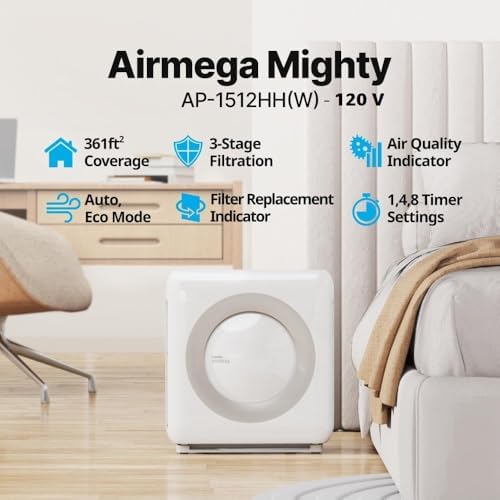
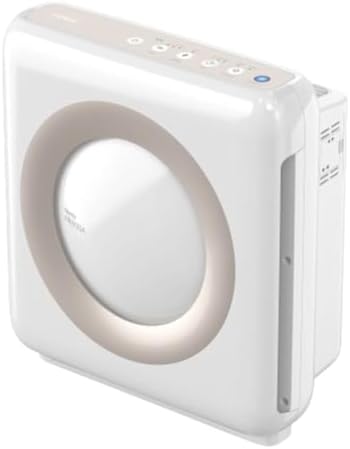
My Pick: Coway Airmega AP-1512HH Mighty
I’m not the only one who landed here. Wirecutter has recommended the Coway Mighty since 2015. They’ve tested it repeatedly over the years and it keeps performing. Consumer Reports rates it highly. RTINGS put it through their smoke chamber tests and it crushed the competition.
But here’s what actually convinced me: I can breathe through my nose in April now.
I’ve had mine running basically 24/7 for eight months. The difference during spring pollen season was… I didn’t realize how bad it had gotten until it wasn’t bad anymore. My wife noticed before I did. “You haven’t been snoring as much lately.” Turns out I was snoring because my nose was perpetually congested. Who knew.
What We like:
- Dead silent on low/medium. I sleep with it running 6 feet from my head.
- The air quality indicator light actually correlates with reality. Cooking bacon? It lights up red and kicks to high. Calms back down after 10 minutes.
- Filter replacement is obvious. There’s an indicator, and the filters last about a year of continuous use.
- At $160ish, it’s mid-range. Not cheap, not crazy.
What’s annoying:
- The ionizer feature is on by default. I turned it off immediately. Ionizers produce trace ozone — not enough to be dangerous, but why add anything to the air I’m trying to clean?
- The light can be bright at night. There’s a dimmer but no full off. I put a piece of electrical tape over it.
- It’s not pretty. Just a white box. But honestly I stopped noticing it after the first week.
For Bigger Rooms: Honeywell HPA300
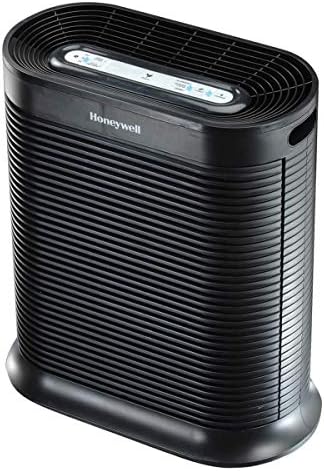
The Coway works great for bedrooms and small living rooms. But if you’re trying to cover a 400+ square foot space, you need more power.
The Honeywell HPA300 is a beast. RTINGS specifically called it their top pick for allergies because of its insanely high CADR — 300 CFM, which is enough for large living rooms and even open-concept spaces if you’re realistic about expectations.
My parents have one. Their house is older, draftier, and they have two cats. The HPA300 lives in their main living area and runs constantly. My mom has similar allergies to mine and she says it makes a noticable difference, especially during cat-dander-heavy days.
The trade-off: It’s louder than the Coway. Not terrible — white noise level on medium — but you wouldn’t want it in your bedroom. Also the filters are more expensive and need replacing every 8-12 months depending on use. Budget about $50/year for upkeep.
Still, if you need raw air-moving power for a bigger space, this is probaly the move. Around $200-230 depending on sales.
Budget Option: Levoit Core 300
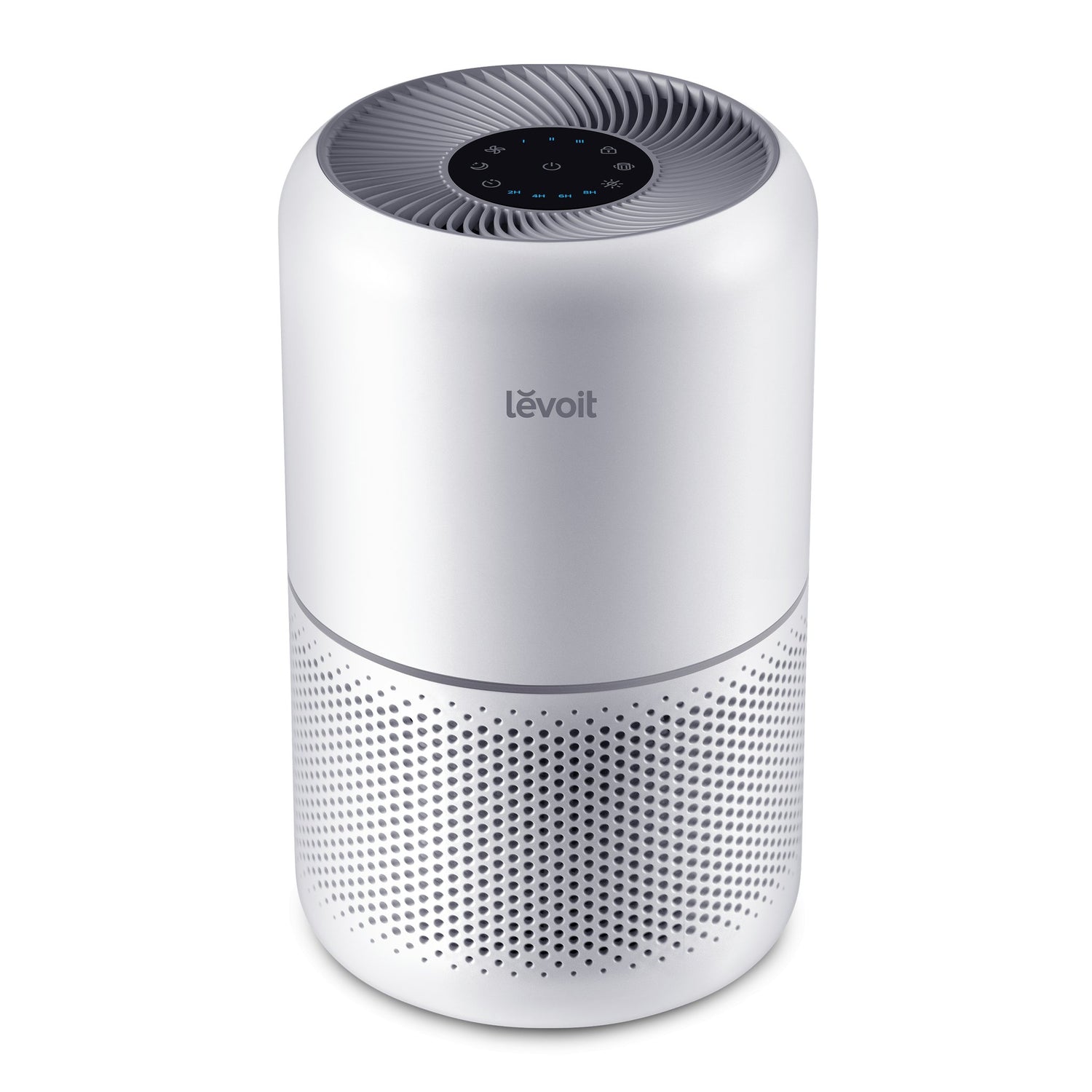
Not everyone can drop $200 on an air purifier. I get it.
If budget is tight, the Levoit Core 300 at around $100 is the cheapest option I’d actually recommend for allergies. Below this price point, you’re getting into territory where the CADR is too low to matter.
The Core 300 has 141 CFM CADR, which is enough for a small bedroom (150-200 sq ft) at decent ACH. It’s whisper quiet on low — actually quieter than the Coway, which is saying something. The 360-degree intake design means you can put it pretty much anywhere.
The catch: It’s really only for small rooms. Try to cover a 300 sq ft living room and you’re back to “expensive fan” territory. Know your room size before buying.
Also worth noting — Levoit makes good budget purifiers but their filter quality isn’t quite Coway or Honeywell level. Some allergy forum users report needing to replace filters more often. Not a dealbreaker at this price, but factor in maybe $40-50/year in filter costs.
What Won’t Help Your Allergies
A few things I wasted money on before figuring this out:
Ionic purifiers without HEPA filters. The Sharper Image Ionic Breeze was popular for years. It “cleans” air by charging particles and making them stick to collection plates. Sounds cool. Doesn’t work well for allergies. You need mechanical filtration.
UV-C “purifying” features. Some purifiers advertise UV-C light that kills germs. Great for bacteria maybe. Does nothing for pollen, dust, or pet dander. Those aren’t alive — they’re just particles. UV-C is marketing fluff for allergies.
Anything claiming to cover huge rooms for under $100. Physics is physics. Moving and filtering 300+ CFM of air requires a certain motor size and filter surface area. Cheap purifiers claiming 500 sq ft coverage are lying.
Running it on auto mode during pollen season. Auto mode responds to particles already in the air. During heavy allergy days, I run mine on medium continuously. Proactive beats reactive.
My Setup Now
Bedroom: Coway Mighty, runs 24/7 on low-medium. This is where I spend 8 hours a night breathing, so it’s where the good purifier goes.
Living room: Honeywell HPA300, runs during the day and especially when windows have been open.
Home office: Levoit Core 300, runs while I’m working. Smaller room, budget option works fine here.
Is three air purifiers overkill? Maybe. But I actually enjoy spring now instead of dreading it. The cumulative cost was less than a year of allergy shots my doctor suggested.
Quick Recommendations
For most people with allergies: Get the Coway AP-1512HH Mighty. Put it in your bedroom. Run it constantly. This single change made the biggest difference for us.
For large living spaces: The Honeywell HPA300 has the power to actually move enough air. Louder, but effective.
On a budget: The Levoit Core 300 is the cheapest option that’s actually worth buying for allergies. Just keep it in a small room.
The best air purifier is the one that’s actually running. Pick one sized right for your space, turn it on, leave it on. Replace the filter when the indicator tells you to. That’s it. No complicated maintenance, no fancy app features needed.
I just wish someone had told us all this before I wasted $200 on purifiers that didn’t work. Maybe this helps you skip that part.