

I own two air fryers and have cooked in at least eight. This is the kind of statement that sounds unhinged to a reasonable person, but in my defense: I write about kitchen equipment, my wife loves crispy vegetables, and the first air fryer I bought was a PowerXL that I’ve since moved to a testing cabinet of shame.
The point is: I know what good air frying looks like and I can tell when a machine is fighting you.
I ran four air fryers under $100 through identical cooking tests — chicken thighs, frozen fries, broccoli with olive oil, salmon fillet, and leftover pizza — and tracked browning consistency, evenness of cook, and how annoying the machine was to use.
Here’s what I found.
The Test Protocol
Same recipe, same cooking temp, same time in each machine. I started from the same fresh or frozen state for each food. I noted the browning on the bottom of each item (the part touching the basket), the browning on the top (facing the heating element), and whether any spots were significantly under or over-cooked.
The machines:
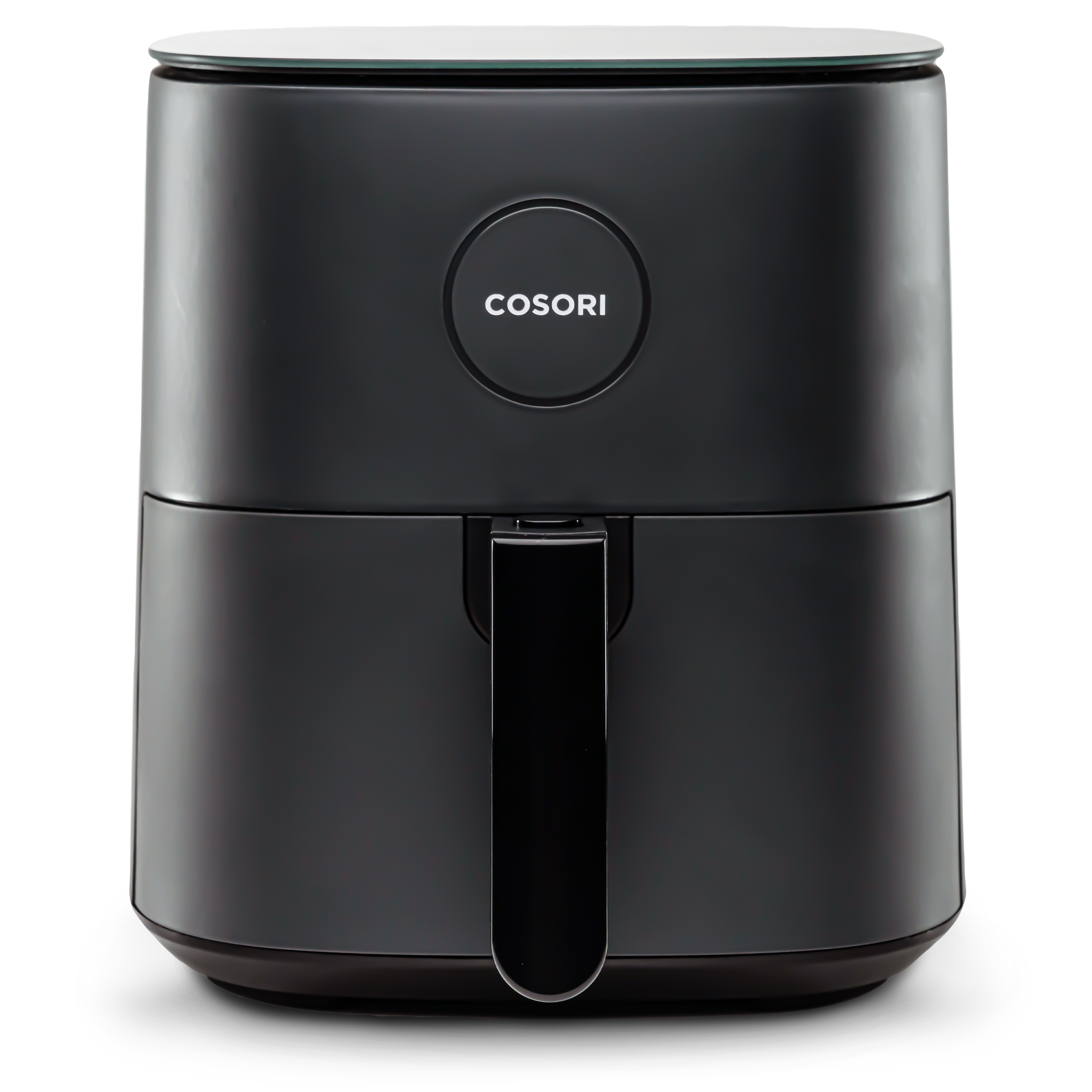
- Cosori Pro Gen 2 (5.8 qt) — ~$80
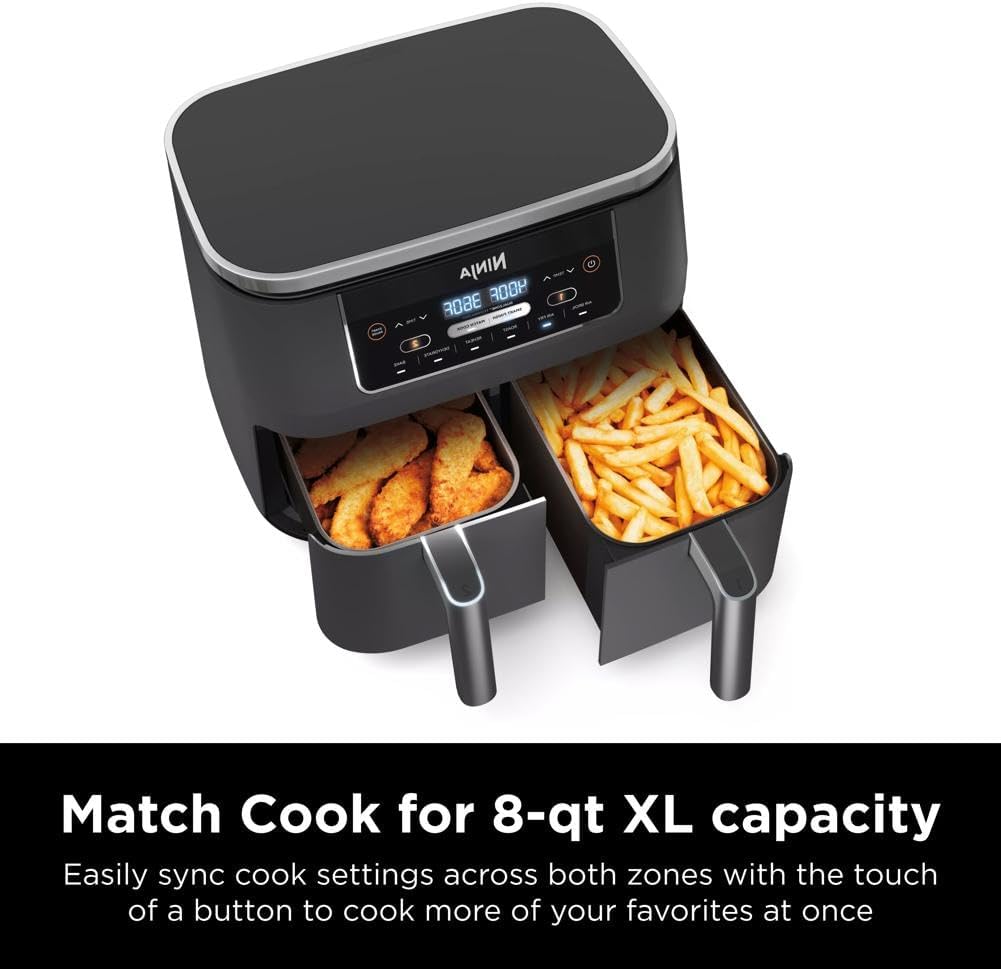
- Ninja AF101 (4 qt) — ~$60
- Instant Vortex Plus (6 qt) — ~$90
- PowerXL Air Fryer Pro (6 qt) — ~$70
Chicken Thighs (375°F, 22 min)
This is my primary test because chicken thighs are forgiving but require real heat distribution to get crispy skin without drying out the meat.
Cosori Pro Gen 2: Evenly browned on top and bottom. The fat rendered properly and the skin was genuinely crispy. A couple pieces in the center of the basket were slightly lighter, but this was minor. 9/10.
Ninja AF101: Excellent results but the smaller 4 qt basket meant I could only fit 4 thighs vs. 6 in the Cosori. The thighs that fit were perfectly browned. The problem is the capacity limitation, not the cooking quality. 8/10 on cooking, capacity concern for families.
Instant Vortex Plus: Decent, but the large basket created some inconsistency — the thighs in the corner near the back were more browned than the ones near the front. Not bad, just noticeable. 7/10.
PowerXL: Two thighs undercooked by the time the skin was browned, requiring me to add time — which then overbrowned the skin on the other thighs. The heat distribution is genuinely uneven. 5/10.
Frozen French Fries (400°F, 16 min with shake at 8 min)
All four machines handled frozen fries adequately. This isn’t a discriminating test — frozen fries are designed to cook in circulated hot air.
The only real differentiation: the Cosori’s shake reminder beeped at exactly 8 minutes. Small feature, real value. I shake my air fryer fries at the exact midpoint every time now, and the results are consistently better than when I forget.
Broccoli (390°F, 10 min)
This is where the Instant Vortex surprised me. The larger 6 qt basket meant I could spread the broccoli in a single layer, which let it roast rather than steam. The result was the best broccoli of the four tests — proper char edges, not mushy centers.
The Cosori was close but the slightly smaller basket meant some crowding, which led to a couple of steamy, under-charred florets.
For vegetables especially, basket area matters as much as volume. Wide, flat baskets beat narrow, tall ones.
Salmon (400°F, 9 min)
The salmon test shows which machines run hot or inconsistently. The goal: opaque throughout but not dried out, with a slightly browned exterior.
All four machines cooked salmon competently. The PowerXL overcooked slightly on the edges — consistent with its heat distribution issue. The other three were fine. This test was less discriminating than the chicken.
Reheated Pizza
The air fryer pizza reheat is legitimately great. It crisps the crust from underneath while warming the top, avoiding the rubber-bottom-crust problem of microwave reheating.
All four machines performed well here. No meaningful differentiation.
The Honest Rankings
1. Cosori Pro Gen 2 (~$80): Most consistent across all five tests. The wide basket works for more food types. The shake reminder is the kind of small thoughtful feature that separates good kitchen tools from great ones. For most families cooking a range of foods, this is the right buy.
2. Ninja AF101 (~$60): If you primarily cook for 1-2 people and mostly do proteins and frozen items, this is the better value. The cooking quality is as good as the Cosori on smaller batches. At $20 less, it’s hard to argue with if the 4 qt capacity works for your needs.
3. Instant Vortex Plus (~$90): The large basket is genuinely useful for vegetables and anything that benefits from single-layer cooking. The cooking quality is good, not great. At $90 you’re almost at the Cosori territory and I’d take the Cosori.
4. PowerXL (~$70): Skip. The heat distribution problems weren’t a fluke — I repeated the chicken test twice and got the same inconsistency. At $70 you’re paying more than the Ninja for worse results. The Cosori and Ninja are both better at their respective price points.
Capacity Guide
If you’re trying to pick the right size:
| Household | Recommended Capacity | Pick |
|---|---|---|
| 1 person | 2-3 qt | Ninja AF101 (4 qt is fine) |
| 2 people | 4 qt | Ninja AF101 |
| 2-4 people | 5-6 qt | Cosori Pro Gen 2 |
| 4+ people or batch cooking | 6+ qt | Cosori or step up to dual-basket models |
The machine I use daily is the Cosori. The one I’m glad I have as a secondary for small batches is the Ninja. The one in my testing cabinet is the PowerXL.
That should tell you everything you need to know.